
The Ultimate Guide to Washing & Whitening Pillowcases
You spend a third of your life with your face pressed against a pillowcase. You invest in skincare, you wash your face before bed, yet you might still wake up to breakouts or dull skin. Why? The answer often lies in the fabric you sleep on.
Even the most luxurious bedding like our premium linen collections here at George Street Linen encounters the "invisible enemy": body oils, sweat, and dead skin cells. Over time, these create stubborn yellow stains and greasy patches that regular washing just doesn’t seem to fix.
If you are tired of seeing your pristine white pillowcases turn a dull shade of ivory, or if you are fighting the "oily pillow" battle, this guide is for you. We are combining textile science with practical home care to help you restore your bedding to its showroom glory.
Why Do Pillowcases Turn Yellow?
Before we fix it, we need to understand why it happens. It is rarely because your pillowcase is "dirty" in the traditional sense.
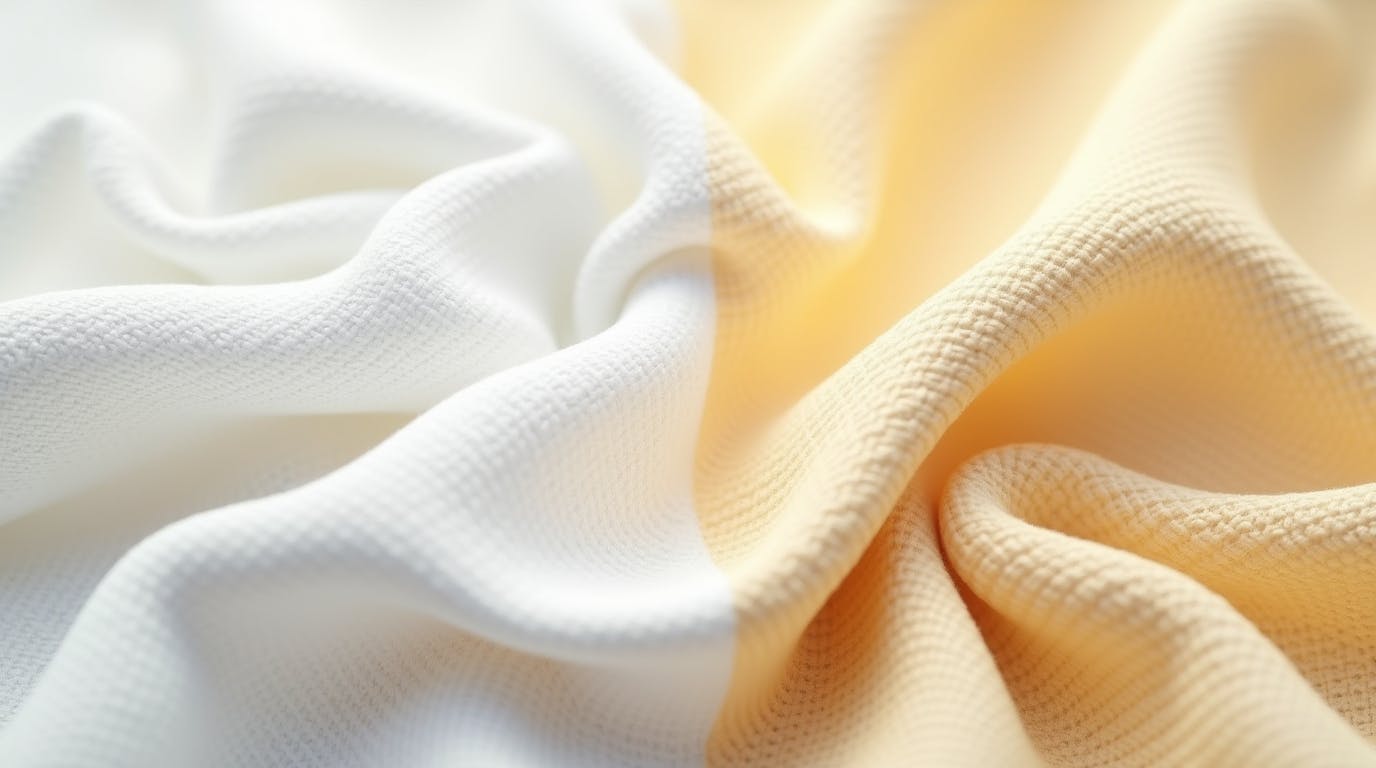
Yellowing is primarily caused by oxidation.
- Sebum & Sweat: Your body naturally produces oils (sebum) and sweat while you sleep.
- Urea: Sweat contains urea, which breaks down into ammonia.
- The Reaction: When these fluids soak into the fiber and are exposed to oxygen, they oxidize much like an apple turning brown after being cut. This oxidation results in that stubborn yellow tint.
Other common culprits include:
- Wet Hair: Moisture encourages bacterial growth and accelerates fabric discoloration.
- Skincare Products: Ingredients like Retinol, Benzoyl Peroxide, and heavy night creams can deposit lipids that cling to fabric.
Drool: Saliva contains enzymes that can leave protein-based stains (often drying as brown or yellow rings).
Experience the perfect blend of comfort and style with our high-quality damask pillowcase.
The "Golden Rules" of Washing Pillowcases
If you only change one habit, make it this: Wash your pillowcases more often than your sheets. While sheets can be washed weekly, pillowcases accumulate a higher concentration of bacteria and oils. We recommend washing pillowcases every 2-3 days to prevent acne and yellowing.
step 1: Pre-Wash Preparation
Never throw a stained pillowcase directly into the machine. The heat of a standard cycle can "bake" oil stains into the fiber forever.
- Check the Label: George Street Linen products are natural fibers. Always check if your item is 100% Linen, Bamboo, or Cotton.
- Unbutton/Unzip: Open closures to ensure water circulates inside.
- The Shake Out: Shake the case vigorously to remove dust mites and dead skin cells before wetting the fabric.
Step 2: The Best Wash Cycle Settings
Temperature: For hygiene, 60°C (140°F) is ideal for killing bacteria and dust mites. However, for colored linen or delicate bamboo, stick to 40°C (104°F) to prevent shrinkage and fading.
Cycle: Use a "Gentle" or "Normal" cycle. Avoid "Heavy Duty" which causes friction and pilling.
Load Size: Do not overload the machine. Pillowcases need room to agitate. If they are wrapped inside a fitted sheet, they won't get clean.
Step 3: Detergent Choice
Avoid: Detergents with blue optical brighteners (they temporarily mask yellowing but can damage natural fibers long-term) and chlorine bleach.
Choose: An enzyme-based liquid detergent. Enzymes (specifically protease and lipase) are chemically designed to "eat" protein and fat stains.
How to Whiten Yellowed Pillowcases
If your white pillowcases have already yellowed, regular washing isn't enough. You need to strip the buildup.
WARNING: Do not use Chlorine Bleach on Linen. Chlorine weakens natural flax fibers and can actually cause them to yellow more due to a chemical reaction with the polymers in the fabric.
The "Laundry Stripping" Method (Deep Soak)
This method is perfect for reviving dingy whites.
- Fill a tub or sink with very hot water.
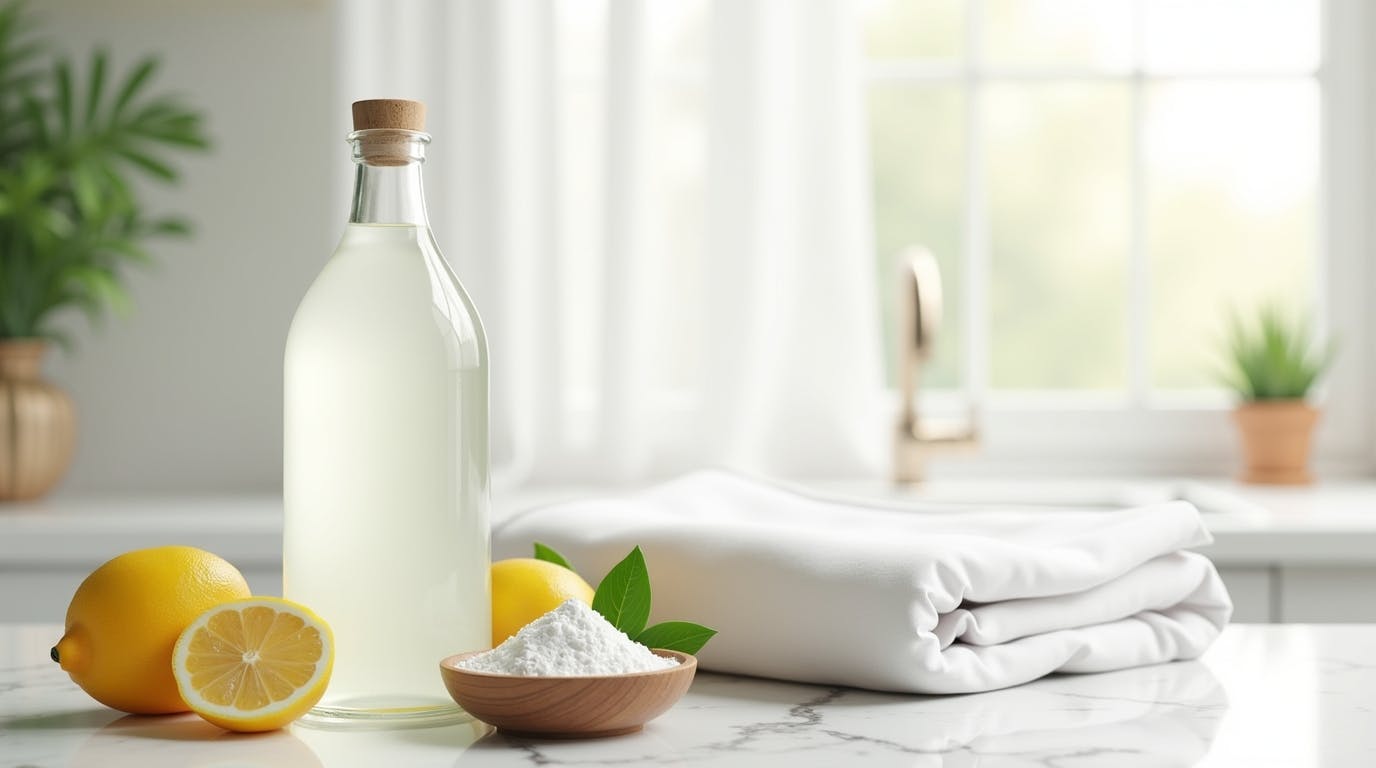
- Add the mixture: 1/4 cup washing soda (sodium carbonate), 1/4 cup borax, and 1/2 cup generous heavy-duty powdered detergent.
- Soak: Submerge your pillowcases. Stir every hour. Let them soak for 4 to 6 hours (or overnight).
- Rinse: You will likely see the water turn a murky gray/brown. This is the built-up body oil leaving the fabric.
- Wash: Run through a regular machine cycle without detergent (using the residue from the soak).
Quick Whitening Agents Comparison
Oxygen Bleach (OxiClean)
- Best For: General yellowing & brightening.
- Safety for Linen: Safe.
- Notes: The best all-rounder. It uses oxygen bubbles to lift stains effectively.
Distilled White Vinegar
- Best For: Softening & odor removal.
- Safety for Linen: Safe.
- Notes: Add 1/2 cup to the rinse cycle. It helps break down detergent residue.
Baking Soda
- Best For: Boosting detergent performance.
- Safety for Linen: Safe.
- Notes: Add 1/2 cup directly to the drum. It neutralizes acid-based odors.
Lemon Juice
- Best For: Natural bleaching.
- Safety for Linen: Safe (with caution).
- Notes: Requires sunlight to activate the bleaching effect. Be careful, as it can fade colors.
Chlorine Bleach
- Best For: Disinfecting synthetics.
- Safety for Linen: UNSAFE.
- Notes: Avoid using this on linen. It causes yellowing and breaks down natural fibers.
Laundry Bluing
- Best For: Optical illusion whiteness.
- Safety for Linen: Safe.
- Notes: Adds a slight blue tint that cancels out yellow tones. Use sparingly!
Troubleshooting Tough Stains: A Cheat Sheet
Different stains require different chemical solvents. Treating an oil stain with water will only make it worse.
Body Oil / Grease (Sebum)
- The Solvent: Dish Soap (e.g., Dawn).
- The Method: Dish soap is designed to cut grease. Apply a drop directly to the dry fabric and rub gently. Let it sit for 15 minutes, then rinse with hot water.
Blood
- The Solvent: Cold Water Only.
- The Method: Never use hot water on blood, as it "cooks" the protein into the fabric. Soak in ice cold water immediately. If the stain has dried, use a paste of cornstarch and water.
Saliva / Drool
- The Solvent: Enzyme Cleaner.
- The Method: Soak in cool water mixed with an enzyme detergent for 30 minutes. The enzymes will digest the protein structures found in saliva.
Makeup / Mascara
- The Solvent: Micellar Water.
- The Method: Dab (do not rub) the stain with a cotton pad soaked in oil-free makeup remover or micellar water before washing.
Sweat (Yellow Pits)
- The Solvent: Vinegar + Baking Soda.
- The Method: Create a paste using vinegar and baking soda. Apply it to the yellowed area, let it fizz and sit for 30 minutes before washing as usual.
Acne Cream (Benzoyl Peroxide)
- The Solvent: None.
- The Method: Sadly, Benzoyl Peroxide bleaches color out of fabric permanently; it cannot be reversed. Prevention: Use white pillowcases only if you are using acne creams.
Fabric Specifics: Caring for Your George Street Linen
Not all fabrics are created equal. Here is how to treat the specific materials we sell:
Linen
- The Golden Rule: Linen loves water but hates friction.
- Washing: It gets softer with every wash. Use liquid detergent to prevent powder residue from getting trapped in the textured weave.
- Drying: Air dry when possible to maintain the crisp texture. If tumble drying, remove while slightly damp to prevent permanent creases.
Transform your sleep sanctuary with the soft, textured touch and breathability of pure linen.
Bamboo
- The Golden Rule: Bamboo is fragile when wet.
- Washing: Use a delicate cycle. High heat can weaken fibers.
- Stains: Treat stains immediately; bamboo is highly absorbent and holds onto oil if not treated quickly.
Cotton
- The Golden Rule: Durable but prone to wrinkling.
- Washing: Can withstand higher temperatures (60°C) for deep cleaning.
- Whitening: Can handle stronger oxygen bleach soaks than bamboo.
Frequently Asked Questions
Can I wash my pillowcases with my towels?
We recommend against it. Towels are heavy and abrasive. Washing them with delicate pillowcases (especially linen) can cause friction, leading to pilling (those tiny fabric balls) and surface damage.
Why do my pillowcases smell even after washing?
This usually means body oils are trapped deep in the fibers, or your machine has mold. Try the "Laundry Stripping" soak mentioned above, and clean your washing machine filter.
Does ironing help keep pillowcases clean?
Yes! Aside from the aesthetic appeal, the high heat of an iron helps kill any remaining bacteria that survived the wash cycle. It also smooths the fibers, making it harder for dust and dirt to settle.
How often should I replace my pillowcases?
Even with excellent care, pillowcases have a lifespan. We recommend replacing them every 12 to 18 months for hygiene reasons, or sooner if the fabric begins to thin or fray.