Silk vs. Satin Pillowcases for Skin and Hair
We spend a third of our lives asleep. In New Zealand, that equates to roughly 26 years of your face pressed against a pillow. If you are waking up with sleep creases, frizzy "bedhead," or unexplained breakouts, your cotton pillowcase might be the culprit.
You’ve likely heard the buzz about switching to Silk or Satin. But are they the same thing? Is the price difference worth it? And which one actually delivers on the promise of "beauty sleep"?
As textile experts at George Street Linen, we are breaking down the science, the benefits, and the honest truth about Silk vs. Satin.
The Core Difference: It’s Fiber vs. Weave
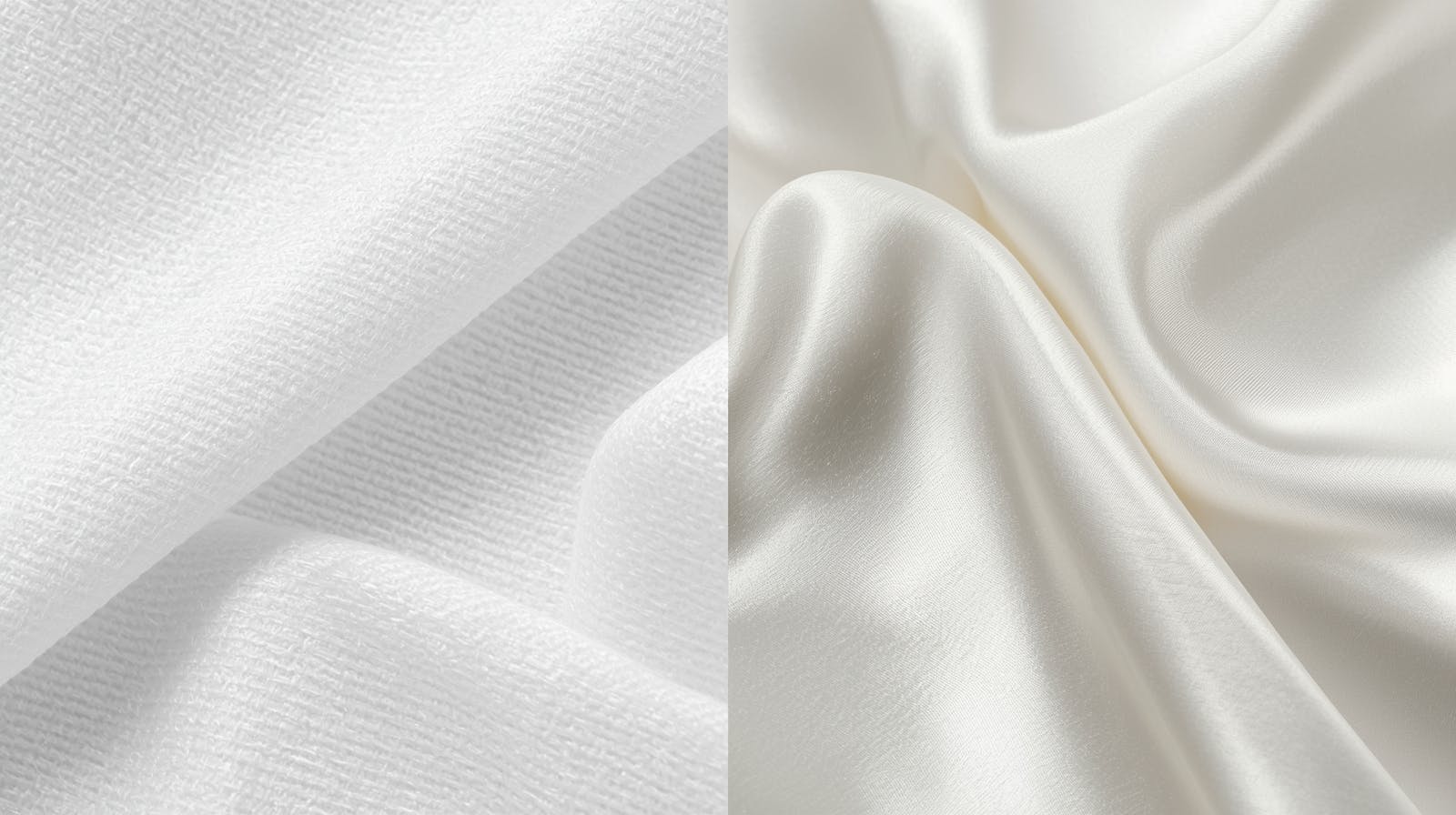
The biggest misconception we hear is that Silk and Satin are two different types of fabric. That is only half true.
- Silk is a Fibre: It is a natural protein fiber produced by silkworms (specifically the Bombyx mori). It is an ingredient, just like cotton or wool.
- Satin is a Weave: Satin is actually a method of weaving fabric to make it glossy and smooth.
The Catch: While you can have "Silk Satin" (silk woven in a satin style), 90% of the "Satin" pillowcases you see in stores are made from synthetic polyester or nylon.
When people ask "Silk vs. Satin," they are usually asking: "Natural Mulberry Silk vs. Synthetic Polyester Satin."
At a Glance: The Comparison
For our busy Kiwi readers, here is the quick breakdown of how they stack up.
The Origin and Comfort Factor
The fundamental difference between these two materials lies in their source and breathability. Mulberry Silk is a natural protein fibre derived from silkworms, offering high breathability that keeps you cool in summer and warm in winter. In contrast, Synthetic Satin is typically made from polyester (a petroleum-based plastic). Consequently, satin lacks natural temperature regulation and tends to trap heat and sweat, which can be uncomfortable during sleep.
Skin Benefits and Anti-Aging Properties
When it comes to skincare, Mulberry Silk is the superior choice. Its surface creates extremely low friction, which acts as a natural anti-aging barrier against sleep creases. While satin also has low friction (making it decent for hair), it does not offer the same level of skin protection. Furthermore, silk has low absorbency, ensuring that your expensive night creams stay on your face rather than soaking into the pillowcase.
Hygiene and Sensitivity
For those with allergies or sensitive skin, the distinction is clear. Mulberry Silk is naturally hypoallergenic and resistant to dust mites and mould, making it a safe haven for sensitive skin. Synthetic Satin, being man-made, does not possess these natural defensive properties and can potentially irritate sensitive skin types due to its chemical composition and lack of airflow.

Which is Better for Acne and Skin Health?
If you struggle with acne or sensitive skin, the material matters.
The "Sponge" Effect Cotton is highly absorbent. It pulls moisture, natural oils, and that expensive night cream right off your face while you sleep. This creates a breeding ground for bacteria. Silk is less absorbent than cotton, helping your skin retain moisture. More importantly, Silk is composed of amino acids (proteins) that are very similar to human skin, making it naturally biocompatible.
The "Glide" Effect Acne Mechanica is a type of breakout caused by friction and rubbing.
- Silk: Offers the least amount of friction. It allows your skin to glide, reducing inflammation.
- Satin: Is also smooth, but because it is usually plastic-based (polyester), it does not breathe. This can cause sweating at night, which clogs pores and creates breakouts.
Winner for Skin:Mulberry Silk (Due to breathability and natural antibacterial properties).
Which is Better for Hair (Frizz & Breakage)?
If you have curly hair, brittle hair, or just hate morning tangles, friction is the enemy.
Cotton fibers are rough under a microscope; they snag and tug at individual hair strands as you toss and turn. This causes split ends and frizz.
- Satin (Synthetic): This is actually a fantastic budget option for hair. The slippery surface prevents tangling and preserves your blowout. If your only concern is hair and you are on a strict budget, synthetic satin works well.
- Silk: Offers the same slip benefits but with an added bonus: it reduces static electricity. Have you ever woken up with hair sticking straight up? That’s static. Silk naturally discharges static, keeping hair smoother.
Winner for Hair:Tie. (Silk is better for static, but Satin performs well for slip at a lower price point).
The "Sweat" Factor: Sleeping in NZ Weather
New Zealand weather can be unpredictable. Humid Auckland nights or chilly South Island mornings require bedding that adapts.
- Silk is a Thermo regulator: Just like high-quality wool, silk adjusts to your body temperature. It wicks away moisture to keep you cool in summer but provides a warm layer in winter.
Satin is an Insulator: Polyester is essentially plastic. It traps heat. If you are a "hot sleeper" or suffer from night sweats, a synthetic satin pillowcase might make you wake up damp and uncomfortable.

A Note on Quality: What is "Momme"?
When shopping for Silk at George Street Linen, you will see the term "Momme" (mm). This is the weight of the silk.
- 19mm: Standard, entry-level. Good, but thinner.
- 22mm: The Goldilocks Weight. Durable, incredibly soft, and withstands machine washing. This is what we recommend for bedding.
- 25mm+: Very heavy, often used for decorative items rather than sleeping.
Expert Tip: Always look for Grade 6A Mulberry Silk. This is the highest quality long-strand silk available globally.
The Verdict: Which Should You Choose?
Choose Synthetic Satin if:
- You are on a very strict budget.
- You are exclusively vegan.
- You only care about hair smoothness and don't have skin issues.
Choose Mulberry Silk if:
- You care about anti-aging and preventing sleep wrinkles.
- You have acne, eczema, or sensitive skin.
- You are a hot sleeper or deal with night sweats.
- You want a natural, biodegradable luxury product.
Ready to Upgrade Your Sleep?
Your face deserves better than cotton. Experience the difference of Grade 6A Mulberry Silk.
Frequently Asked Questions
Can I machine wash Silk?
Yes! High-quality 22mm silk can be washed on a delicate cycle with cold water and a pH-neutral detergent. Avoid the dryer; line drying is best to preserve the fibers.
Is Satin Vegan?
Yes. Synthetic satin is made from polyester, making it a vegan alternative to silk. However, it releases microplastics into the water system when washed. Silk is natural and biodegradable.
How long does a Silk pillowcase last?
With proper care, a high-quality Mulberry silk pillowcase from George Street Linen can last years, making the cost-per-wear very low compared to buying cheap satin that pills after a few washes.