How Often Should You Wash Your Pillowcases?
We spend roughly one-third of our lives asleep, resting our faces against a single piece of fabric: the pillowcase. While many of us are diligent about washing our clothes after a single wear, our bedding often slides to the bottom of the to do list.
But considering that your pillowcase absorbs everything from night creams and hair products to sweat and dead skin cells, it arguably deserves more attention than any other item in your laundry basket.
At George Street Linen, we know that proper care isn't just about keeping your sheets looking beautiful, it's about maintaining a healthy sleep environment.
The Short Answer For most people, the golden rule is to wash your pillowcases once a week. However, if you are prone to acne, have oily skin, or sleep with pets, experts including dermatologists recommend changing them every 2 to 3 days.
Why such a strict schedule? Your pillowcase acts as a collection net. Every night, it gathers oils, bacteria, and allergens that are invisible to the naked eye. Waiting too long to wash it doesn't just affect the freshness of your bedding; it can actively work against your skin health and sleep quality.
For more information, you can read the article on how to wash silk and satin pillowcases.
In this guide, we will dive deep into the specific wash schedules for different skin types, how to care for premium fabrics like linen and silk, and the best washing methods to keep your bedding pristine without damaging the fibers.
The Golden Rule: Frequency by Lifestyle
While the weekly wash is a good baseline, "average" doesn't account for individual habits. Your skin type, your evening routine, and even who (or what) you sleep next to can drastically change how quickly your pillowcase reaches its hygiene limit.
Identify your sleep profile below to find your true washing schedule:
The Standard Sleeper: Every 5–7 Days
If you have normal skin, shower before bed, and don't sleep with pets, a weekly wash is sufficient. This aligns perfectly with your regular sheet-washing routine. At this frequency, you are removing the natural buildup of sweat and dead skin cells before they have a chance to accumulate into a breeding ground for dust mites.
The Skincare Enthusiast & Acne-Prone: Every 2–3 Days
If you have oily skin or are prone to breakouts, your pillowcase can become a counter-productive force in your skincare routine.
- Why? Oils from your face and residues from heavy night creams transfer to the fabric. If you sleep on that same spot the next night, you are essentially pressing your clean face against old bacteria and oxidized oils. This friction and bacteria combination can lead to acne mechanica.
The Fix: Rotate your pillowcase every two days, or flip the pillow over after one night to ensure you are always sleeping on a fresh surface.
The Pet Parent: Every 2–3 Days
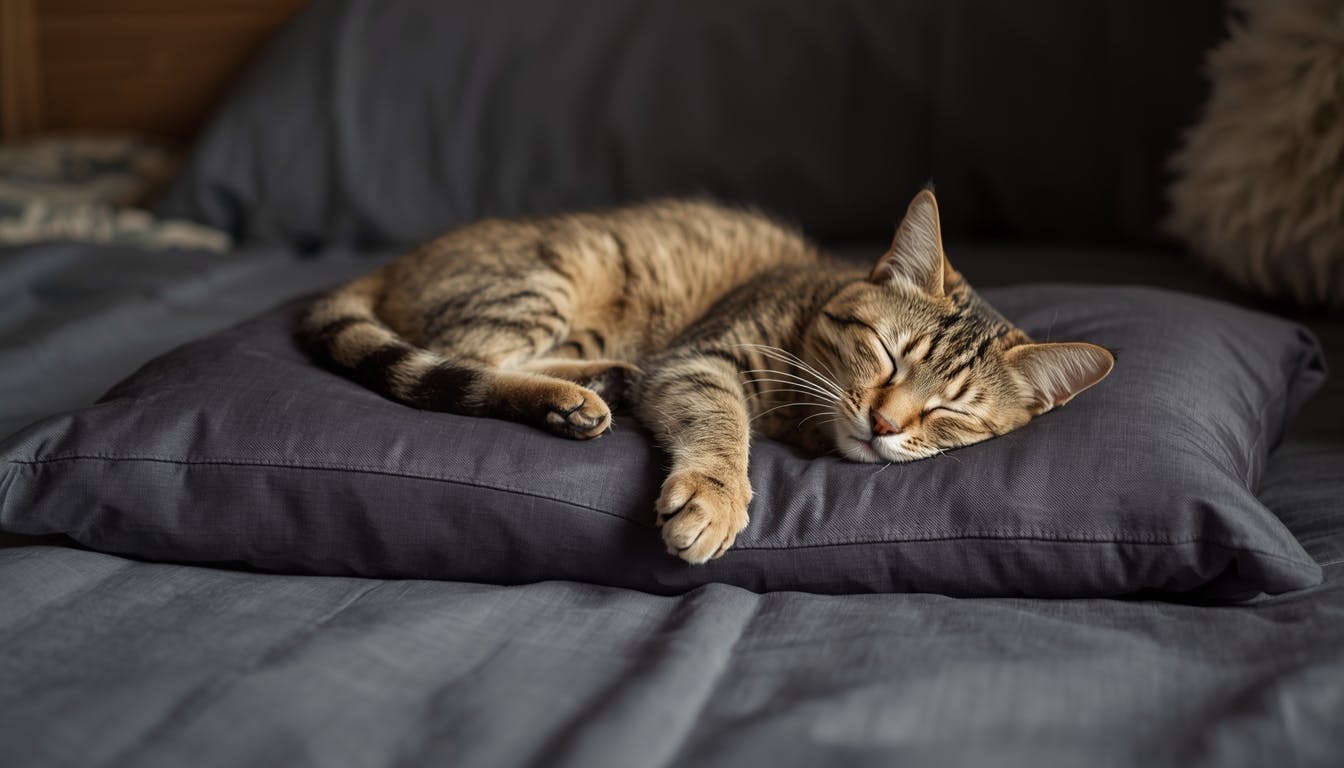
We know it’s hard to say no when a pet wants to cuddle, but if your dog or cat sleeps in your bed especially near your head, hygiene needs to be tighter.
- Why? Pets bring more than just love to the bed; they bring dander, outdoor pollen, and bacteria from their paws. Even if they don't sleep directly on your pillow, their movement spreads particles across the bedding.
The "Morning Shower" Person: Every 4–5 Days
If you shower in the morning rather than at night, you are bringing the day's accumulation of sweat, pollution, and body oils into bed with you. While not as critical as the acne prone category, this habit dirties the fabric faster than those who scrub down before sleeping. Aim to change your pillowcase twice a week.
The Allergy Sufferer: Every 3–4 Days
For those with asthma or dust mite allergies, the pillowcase is the first line of defense. Dust mites thrive on dead skin cells and moisture. Washing frequently in warm water (check your care label first!) is essential to keep these microscopic allergens at bay and ensure you wake up without congestion.
The Hidden Ecosystem: Skin Health & Allergens
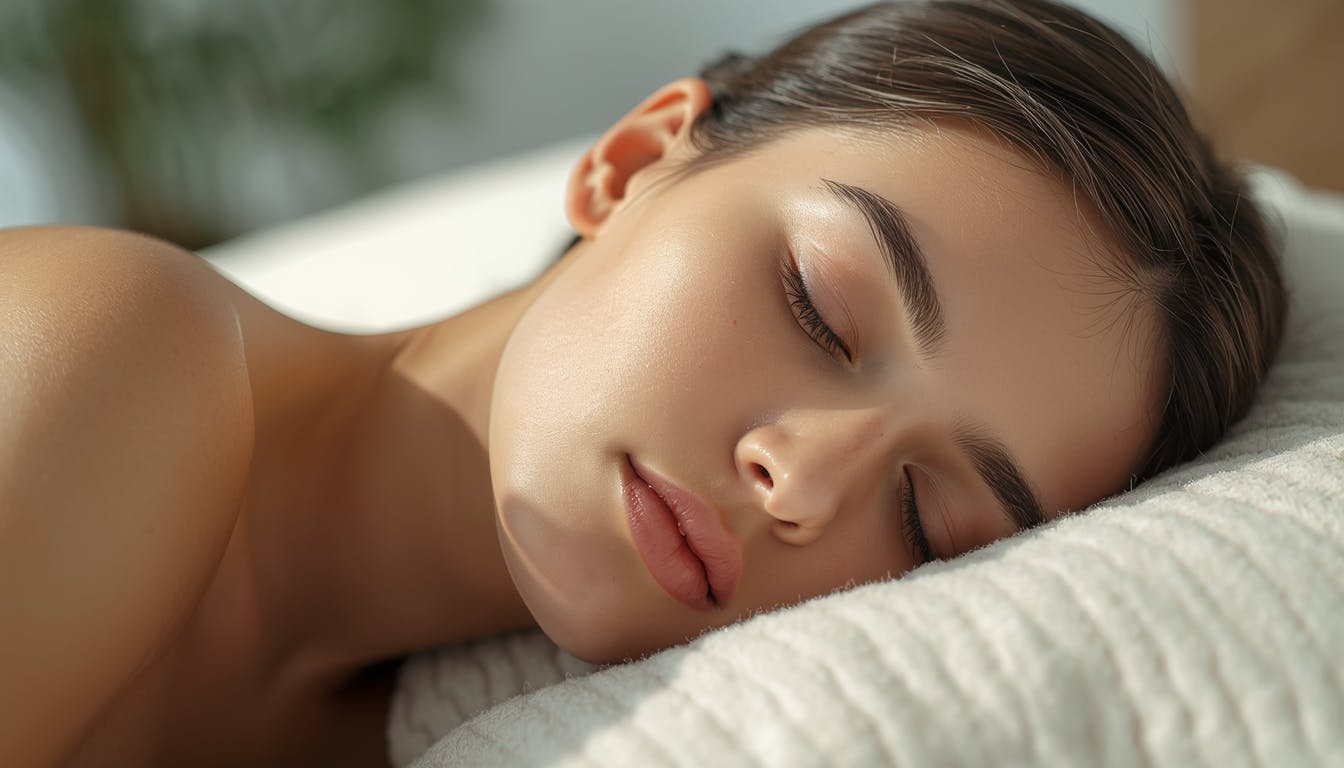
You might not see it, but your pillowcase is a biologically active environment. When you sleep, your body sheds thousands of dead skin cells, releases sweat, and secretes natural oils (sebum). While this is a normal bodily function, your pillowcase acts as a trap for this organic matter.
If left unwashed, this combination creates the perfect "petri dish" for two major issues: skin irritation and allergens.
You can explore our Pillowcase Collection. we have Bamboo, Cotton, Belgian, silk and lots more Products that you wish.
The Acne Connection: What is Acne Mechanics?
Many people are surprised to find that their breakouts aren't caused by hormones or diet, but by their bedding. There is a specific type of acne called Acne Mechanica, which is triggered by friction, heat, and covered skin.
When you sleep on a pillowcase that hasn't been washed in a week, the fabric fibers are coated in old makeup, oils, and bacteria. As you move in your sleep, the fabric rubs against your skin. This friction does two things:
- Micro-exfoliation: It forces bacteria and dirt deep into your pores.
- Occlusion: The layer of oil on the pillowcase creates a seal, preventing your skin from breathing.
This is why you might notice breakouts specifically on the cheeks or the side of the face you sleep on.
The Allergen Trap: Dust Mites
If you often wake up with a stuffy nose, itchy eyes, or a slight cough, your pillowcase might be hosting unwanted guests. Dust mites are microscopic organisms that feed on dead human skin cells.
While dust mites themselves are not parasites, their waste products are potent allergens. A pillowcase that is loaded with dead skin cells is essentially an "all-you-can-eat buffet" for dust mites. Regular washing doesn't just clean the fabric; it removes their food source and washes away the allergens that trigger asthma and sinus issues.
Why Fabric Choice Matters
This is where the quality of your bedding plays a massive role in your health. Synthetic fabrics (like polyester) trap heat and moisture, which encourages bacterial growth.
In contrast, natural fibers like Linen and Cotton are highly breathable and moisture-wicking. They allow air to circulate through the weave, keeping the surface of the pillow cooler and drier. A drier environment makes it much harder for bacteria and dust mites to survive and multiply, giving you a cleaner sleep even between washes.