Autumn Layers: Build a Bed Worth Sinking Into
Autumn arrives quietly, and then all at once. One evening the bedroom still feels light and easy, and the next you notice the chill on the floorboards, the earlier dusk, the way a bed suddenly needs to offer more than somewhere to sleep. It needs to restore you.
That’s when layering stops being a styling exercise and starts becoming a form of comfort design. The right bed in autumn doesn’t rely on bulk or heaviness. It uses breathable natural fibres, considered weight, and touchable texture to create a space that feels calm the moment you walk into it.
A bed worth sinking into is built with intention. Sheets that regulate, a duvet that settles. Throws within reach, cushions that soften and bring the whole scene together.
Done well, it changes the mood of the bedroom completely. It turns the everyday act of going to bed into a ritual you look forward to.
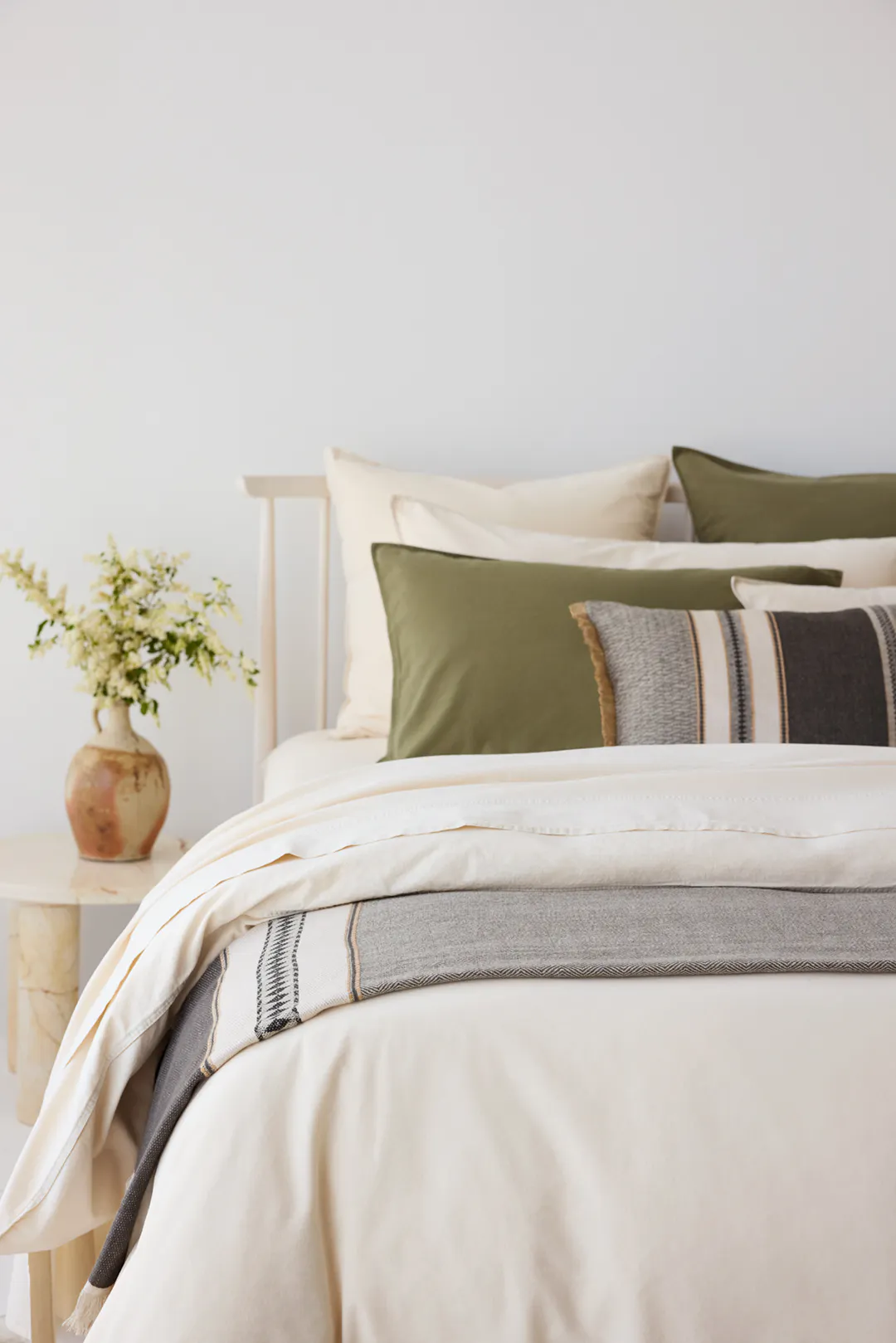
Why layering changes the feeling of a room
A layered bed works on two levels at once. It changes physical comfort and emotional atmosphere. The practical side matters, of course. Autumn weather can be changeable, and bedding needs to respond without making you feel trapped under too much heat.
The visual side matters just as much. A bed with varied textures and thoughtful proportions signals rest before you even get in.
A good autumn bed should feel settled, not stiff. It should look like it can hold you at the end of a long day.
Building Your Base with Breathable Foundations
The layers closest to your skin do the quietest work, but they shape the whole experience of the bed. If the sheets are clammy, overly slick, or lacking breathability, no amount of styling on top will fix it. Autumn comfort starts at the base.
1- Start with the essentials: Bedding
Before you think about colour, texture, or the perfect throw casually folded at the end of the bed, start with what actually shapes how the bed feels.
Mattress protectors
A good mattress protector does more than protect the bed. It creates the first breathable layer between you and the mattress itself, helping regulate warmth and extending the life of everything underneath. In autumn, natural fibres help the bed feel fresher and less stuffy as temperatures begin to shift.
Mattress toppers
If your mattress feels firm, cool, or a little flat, a topper can make a noticeable difference. Not by adding bulk, but by creating softness and insulation where your body meets the bed.
A topper is worth considering if:
- Your mattress tends to run cold and seems to pull warmth away early in the night
- You want a softer landing without replacing the mattress itself
- You’re refreshing a guest room or rental and want to instantly lift the comfort of the bed
Pillows
Pillows shape more than sleep support — they shape the feeling of the bed visually too. Standard sleeping pillows bring comfort and practicality, while European pillows and larger cushions create softness, height, and that relaxed layered look autumn beds do so well. The best arrangements feel generous without becoming overcrowded.
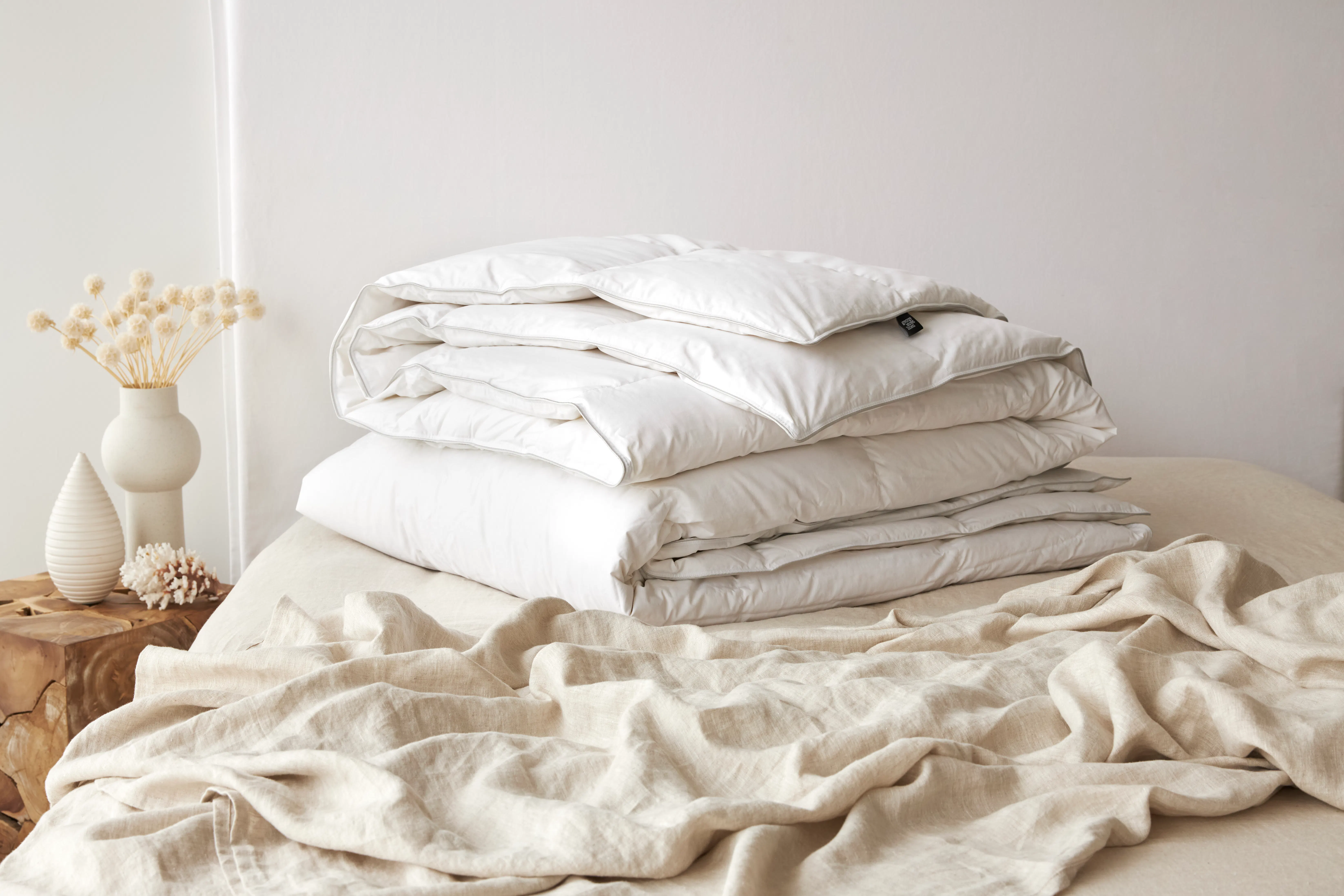
Duvet inners
When it comes to duvet inners, weight matters more than volume.
Autumn often brings the urge to switch to a bed that feels heavier, warmer, more wintry than it needs to be. One that can leave you kicking layers off at midnight and waking to a tangle. What usually works better is a mid-weight duvet paired with the option to add or remove an outer layer as needed.
The most useful duvet layer has these qualities:
- Breathability so warmth doesn’t become trapped and stale
- Drape so the bed looks generous rather than rigid
- Enough structure to hold shape when made each morning
- Simple fastening details so the insert stays in place inside the cover
Those small design details make more difference than people expect. Internal ties and zip closures, for example, keep the bed looking composed instead of shifting into lumps and corners after a few nights of use.
The best autumn beds don’t feel overly styled or overdone. They feel settled. Layered. Comfortable in a way you notice immediately, but can’t quite explain.
2- Build warmth through fibre: Sheets
People often get distracted by thread count because it sounds technical and luxurious. In reality, fibre and weave tell you far more about how a sheet will actually feel to sleep in.
Natural fibres like cotton and linen breathe better, regulate temperature more naturally, and tend to soften beautifully over time. They don’t trap heat in the same way synthetic blends can, which matters during autumn when the temperature can shift dramatically overnight.
Rather than focusing on what sounds impressive on a label, think about how the fabric behaves across a full night’s sleep. You want sheets that allow warmth to build gently, without tipping into stuffiness.
The right autumn bedding should feel balanced - soft enough to cocoon you, breathable enough that you never wake up overheated.
Percale or sateen
Percale has a clean, matte character that suits people who dislike anything too heavy. It gives the bed a neat appearance and feels especially good if your bedroom still catches warmth in early autumn.
Sateen is different. It drapes more fluidly and has a gentler lustre. In cooler rooms, that subtle sense of softness can make the bed feel more sheltered and enveloping.
Practical rule: choose the weave by touch and sleep preference, not by trend. If you love a crisp shirt, you’ll probably love percale. If you prefer softness and drape, sateen usually makes more sense.
3- Choosing Your Centrepiece: Duvet Cover
If the sheets are the foundation, the duvet is the layer that gives the bed its identity. It carries the visual weight of the room and does most of the work once the temperature drops at night. In autumn, that central layer needs balance more than brute force.
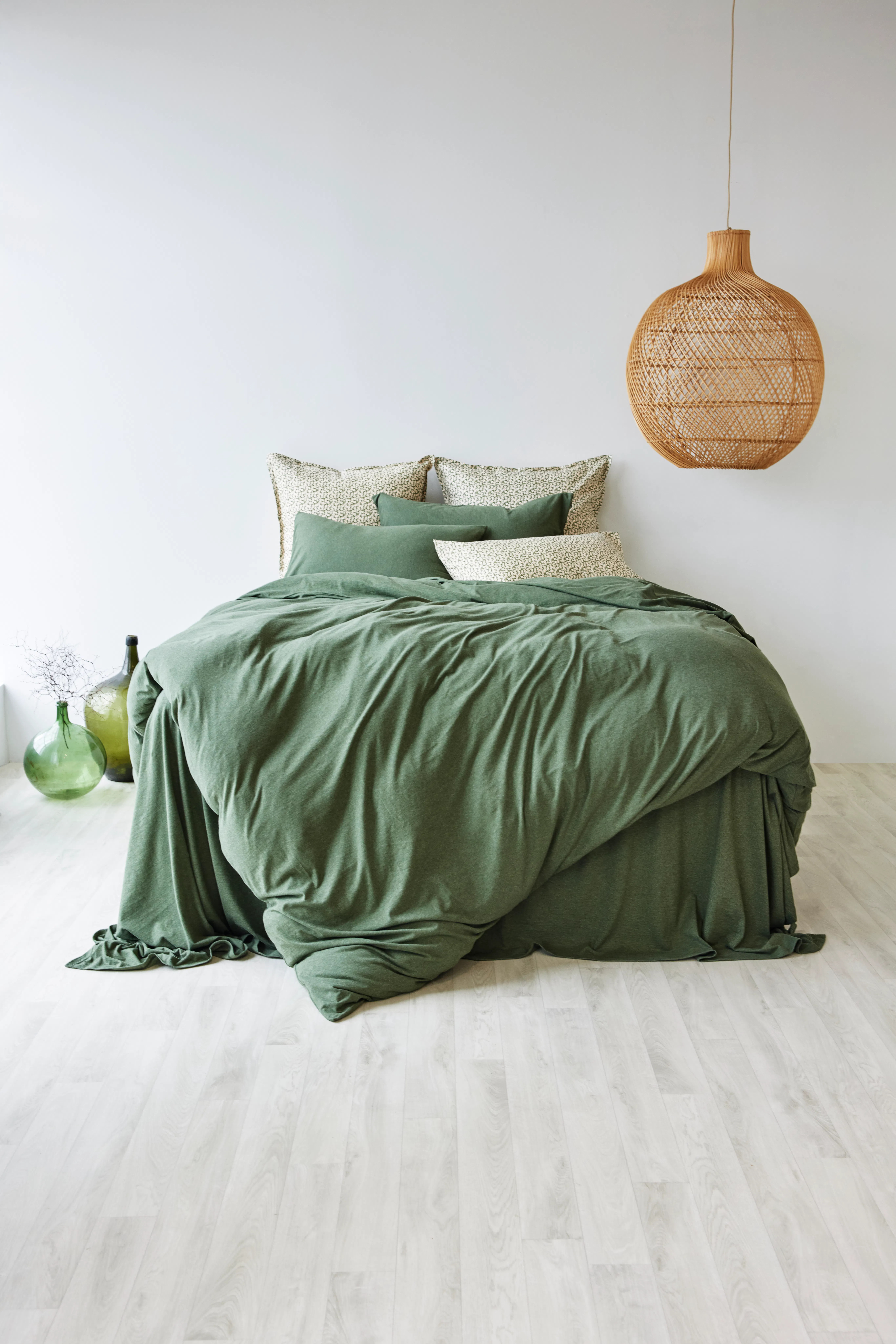
Why natural fibres win here
Autumn weather can change quickly, especially in New Zealand, and the bedding advice available often misses the question of regional variability. The material in your duvet cover matters because it needs to sit comfortably across milder nights and cooler ones, particularly when temperatures shift between places like Christchurch and Auckland.
Linen duvet covers excel in this role because they hold a little natural weight without feeling oppressive. They breathe well, drape beautifully, and bring a relaxed texture that makes the bed look lived in rather than over-styled.
Cotton duvet covers offer a different kind of comfort. They feel familiar, polished, and softly structured. If you want a cleaner finish, cotton is often the easier route. If you want more texture and ease, linen tends to be the stronger choice.
4- Adding Depth and Warmth with Textural Layers: Blankets & Throws
Once the duvet is in place, the bed is comfortable. It still may not feel irresistible. That shift often comes from one extra textile layer. A blanket or throw changes the bed from functional to inviting because it adds variation in both temperature and appearance.
Why the top layer matters
A single broad duvet can make a bed look flat, even when the fabric is lovely. Add a throw with visible texture and the whole arrangement gains depth. You see the contrast. You also gain flexibility, which matters during autumn when some nights ask for an extra layer and others don’t.
The strongest textural layers usually fall into one of these camps:
- Woven cotton blankets for lightness, softness, and easy folding
- Linen throws for a relaxed, airy top note with tactile character
- Chunkier knits or weightier blankets for beds that need more warmth and a denser visual finish
How to style it so it looks intentional
You don’t need a complicated arrangement. You need one that suits the room and the way you use the bed.
Folded at the foot works well for a neat bedroom. It gives the eye a stopping point and keeps the extra layer accessible without covering the duvet design.
Draped loosely across one third of the bed feels more casual. It softens the geometry of the mattress and works especially well in rooms that need a less formal mood.
Pulled right up under the pillows creates a fuller, winter-leaning look. In autumn, we’d only recommend this if the bedroom is cool enough to justify it, otherwise the bed can start to feel visually heavy too soon.
If the bed looks perfect but no one wants to disturb it, it has been styled too tightly.
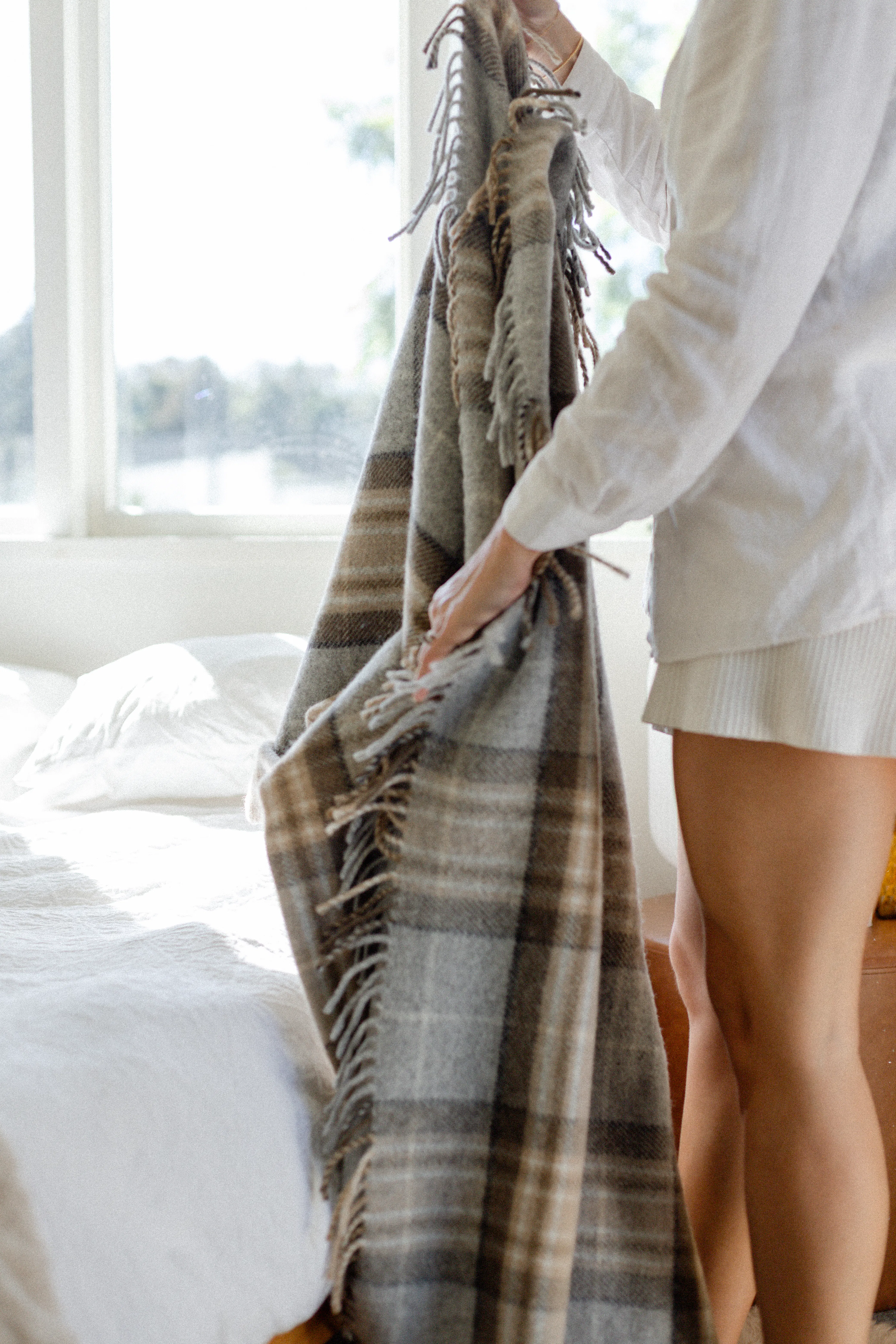
A useful approach for renters and smaller rooms
If you're a renter, or working with a smaller bedroom, your layers often need to work a little harder. They’re not just about warmth - they shape the whole feel of the space.
Start with one considered addition: a throw or a blanket with visible texture. It brings warmth when the evenings cool, softens the look of the bed, and adds depth to a room you might not be able to fully make your own.
It’s the layer you’ll reach for - and move around - more than you expect. Draped across the bed, folded over a chair, or pulled close at the end of the day.
A small shift, but one that changes everything.
5- Finishing with Colour Palettes and Cushions
The final layer isn’t about insulation. It’s about mood, proportion, and softness. Cushions and colour are what take the bed from neatly made to wonderfully welcoming. The arrangement now starts to feel personal.
Build the palette from one anchor
The easiest way to avoid a bed that looks overworked is to choose one leading element and let everything else support it. That anchor is usually the duvet cover. If it’s plain linen in a muted tone, you have room to bring in richer accents. If it carries print or stronger colour, the surrounding layers should quieten down.
For autumn, the most successful palettes usually lean into depth rather than brightness. Think bark, olive, rust, oat, clay, walnut, ink, moss, or muted plum. None of these need to shout. The effect comes from how they sit together with natural texture.
Arrange cushions so the bed feels generous
Cushions should make the bed feel softer, not crowded. Too many and you create a nightly obstacle course. Too few and the arrangement can look abrupt.
A balanced setup often looks like this:
- European pillows at the back to add height and create that enveloping hotel feel
- Sleeping pillows in front because the bed still needs to work for real life
- One or two smaller cushions to add colour, pattern, or tactile contrast
The key is variation. If every cushion matches exactly, the bed can feel flat. If every cushion competes, it becomes noisy. Aim for a conversation between fabrics rather than a pile of separate statements.
Texture is what makes colour believable
Autumn palettes fall flat when they rely on colour alone. Texture is what gives them credibility. A rust shade in washed linen reads differently from the same shade in velvet or a fine cotton print. That contrast is what makes the arrangement feel layered rather than merely coordinated.
Stylist’s note: repeat a colour at least once in a different texture. That’s often what makes a bed look composed instead of accidental.
You can also use cushions to shift the mood of the room without replacing major pieces. A neutral bed can become warmer, moodier, or more refined through a small change in cushion covers alone. That’s useful in seasonal styling because it gives you range without cluttering the linen cupboard.
If your bed already has strong natural-fibre layers underneath, cushions become the finishing jewellery. They don’t need to do the heavy lifting. They just need to bring softness, shape, and a sense that someone has thought carefully about how rest should feel.
Investing in the Art of Everyday Comfort
A well-layered autumn bed isn’t built in one impulsive shop. It comes together through better choices. You choose fibres that breathe - fibres that breathe, pieces that adapt to changing temperatures, textures that bring a sense of calm and completion to the room.
That’s why quality matters so much.. Bedding is handled every day, washed often, and relied on when you’re tired, cold, or overstretched. Cheap layers can look passable at first and still fail where it counts. They twist, trap heat poorly, lose softness, or never quite sit properly on the bed. Quality bedding tends to do the opposite. It settles in, wears well, and becomes part of the rhythm of the home.
What’s worth prioritising
If you’re building gradually, invest in the pieces that affect comfort and longevity first:
- Sheets in natural fibres because they set the tone for every night that follows
- A duvet cover with proper weight and finish because it carries both comfort and visual presence
- One versatile throw or blanket because it adds adaptability without excess
- A small cushion edit because finishing touches work hardest when the base is already right
The deeper value in all of this is everyday use. A beautiful bed isn’t only for guests, photographs, or special weekends. It’s for ordinary evenings, early nights, slow mornings, and the first cool spell that makes you want to climb in a little sooner.
Buy bedding the way you’d buy a favourite coat. It should feel good immediately, improve with use, and earn its place over time.