Different Types of Towels
To find that perfect towel, it helps to know what to look for. We’ll break down the key details, so you can choose with confidence: materials, weight and density (GSM), types and sizes, and how to care for them so they last.
Common Towel Materials (Cotton, Bamboo, Linen, and more)
The secret to a great towel isn’t hidden; it’s woven into the fibres. While there are plenty of options out there, natural fibres stand apart when it comes to comfort, performance, and durability.
Material is the single most important choice you’ll make. It shapes how a towel feels against your skin, how well it absorbs moisture, and how it holds up over time. Synthetic options like microfibre may feel soft at first, but often fall short, pushing water around rather than properly absorbing it.
Natural fibres, particularly cotton, are designed to do this well. They draw in moisture, dry effectively, and soften beautifully with use. Bamboo is another option, valued for its silky feel and antibacterial properties, though it can be less durable than high quality cotton.
Super Pile Cotton
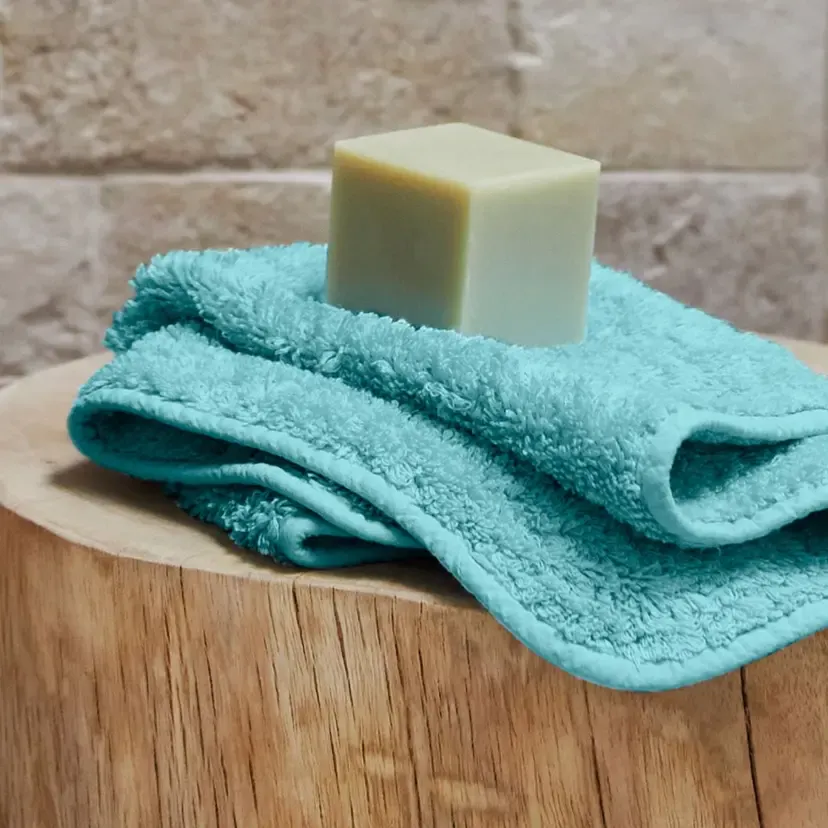
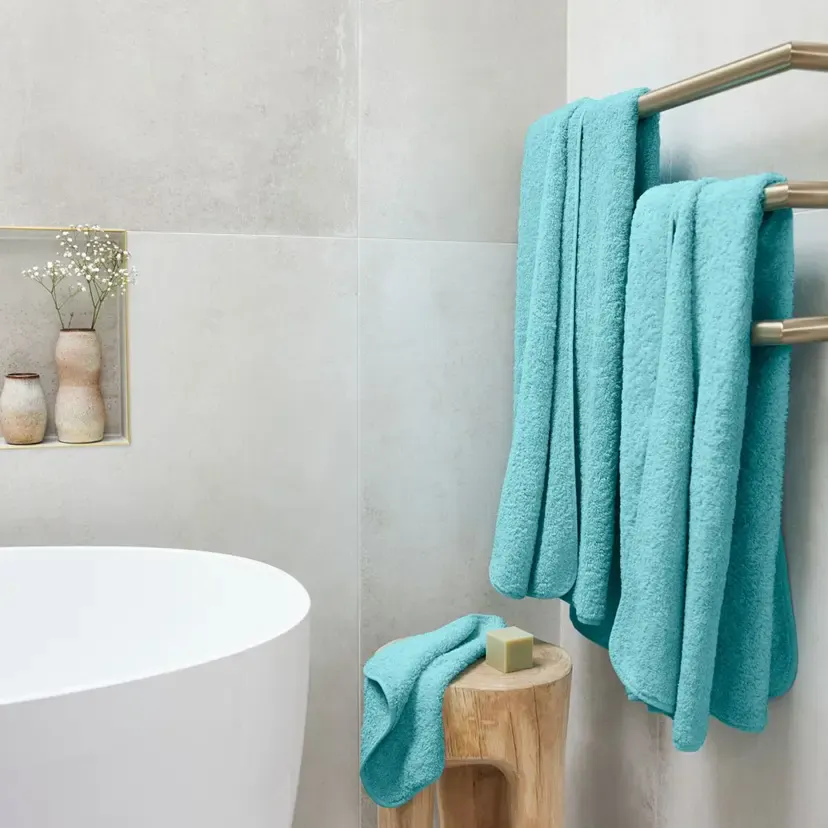
For those looking to elevate their everyday routine, our Super Pile Towels offer a distinctly plush and refined experience. Made from 100% cotton and crafted with a dense, high-quality pile, these towels are designed to deliver exceptional softness, strong absorbency, and long-lasting performance. They strike a careful balance between everyday practicality and a more indulgent, spa-like feel.
Linen Towels
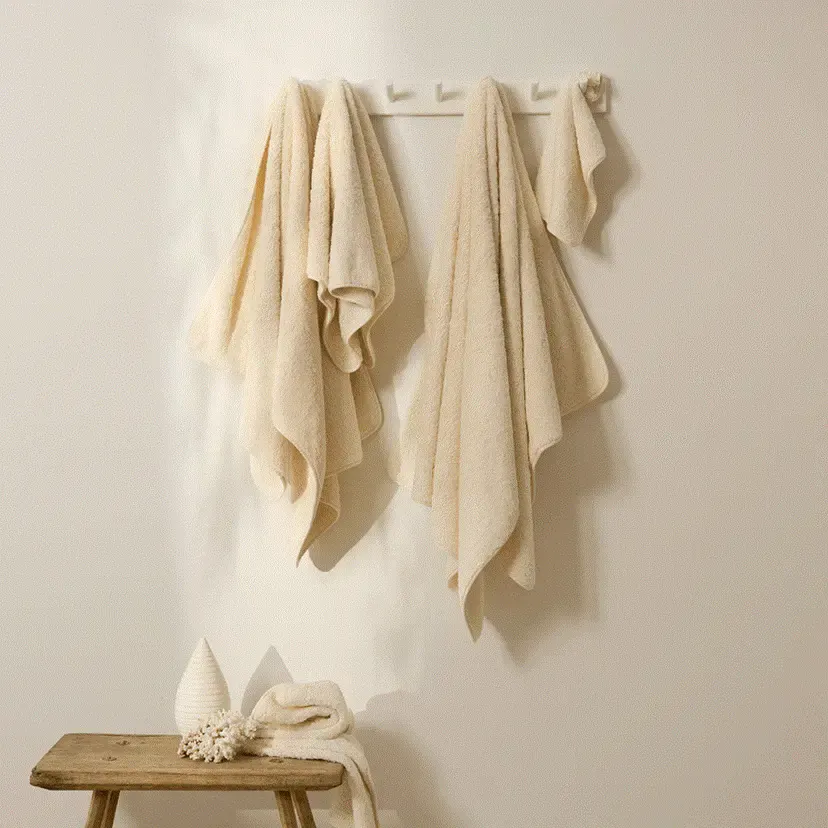
Linen towels offer a completely different experience. Naturally lightweight and highly breathable, linen is known for its exceptional quick-drying properties and durability. While it doesn’t have the same plushness as cotton, it becomes softer over time and excels in warmer climates or minimalist spaces where performance and simplicity matter most.
Explore our collection here: Linen Towels
What GSM Means in Towels & How GSM Affects Towel Softness and Absorbency
When you’re browsing for towels, you’ll likely come across the term GSM, or grams per square metre. It might sound technical, but it’s one of the clearest ways to understand how a towel will feel and perform.
Put simply, GSM measures the towel’s density and weight. A higher GSM means more fibres are packed into each square metre, creating a towel that feels thicker, softer, and more substantial. A lower GSM results in a lighter, quicker-drying towel with a more relaxed feel.
This directly affects both absorbency and softness. Higher GSM towels are naturally more absorbent - with more cotton loops to draw moisture away from your skin, they dry you off quickly and thoroughly. They also feel noticeably plusher, with that soft, cushioned texture you’d expect from a well-made towel.
Lower GSM towels, on the other hand, are lighter and more breathable. While they may not feel as plush, they dry faster and can be a practical choice for everyday use or warmer climates.
Lightweight vs Heavyweight Towels
Choosing between a lightweight and heavyweight towel isn't about which one is “better” , it's about finding the right tool for the job.
Lightweight Towels (300–500 GSM)
These are wonderfully airy, breathable, and incredibly quick to dry. Their lower density lets air circulate freely, making them a godsend in humid climates or bathrooms with less-than-ideal ventilation. They are also perfect for travel or the gym as they pack down small. Waffle weaves, such as our Linen Towels collection, often fall into this category, offering a lightweight feel with excellent breathability and quick-drying performance.
Heavyweight Towels (600–900 GSM)
These are built for pure comfort and indulgence, exceptionally soft, wonderfully absorbent, and dense. The high density of fibres means they can hold a remarkable amount of water, making them feel incredibly effective. Our Super Pile Towels collection, at 750 GSM, are a perfect example of a super-plush, ultra-absorbent towel that delivers that five-star hotel feeling of being wrapped in a warm, fluffy cloud.
How to Choose Towels for Absorbency and Softness
When choosing a towel, absorbency and softness often come down to the same two factors: material and GSM.
For both, natural fibres, particularly long-staple cottons like Egyptian, Turkish, or our Super Pile Towels, are a strong place to start. Their longer, smoother fibres create more surface area to absorb moisture, while also feeling gentler against the skin. Super Pile towels strike the perfect balance with a high GSM and premium long-staple cotton, offering a luxuriously soft feel without sacrificing durability.
GSM plays an equally important role. Higher GSM towels (around 600 and above) are denser, which means more cotton loops to draw in water and a noticeably softer, more cushioned feel. This is what gives heavier towels their satisfying absorbency and that full, enveloping texture.
Care matters, too. Avoiding harsh detergents and fabric softeners will help maintain both softness and performance over time.
The Importance of Durability in Towels
A great towel is an investment, so you want it to last. Durability comes from the quality of the fibres and the construction. Long-staple cottons like Turkish and Egyptian are inherently stronger because their long fibres result in fewer break points in the yarn. Check for double-turned edges with double stitching, as this reinforces the hems and prevents fraying after many washes. A higher GSM towel (600+) is also generally more durable due to its dense, robust weave.