Creating a Hotel-Like Autumn Bedroom at Home
The shift usually happens in the evening. The air cools, the light thins out, and a bedroom that felt fine in late summer suddenly feels a bit exposed. You want softness, warmth, and that cared-for feeling you get the moment you walk into a good hotel room. Not themed décor. Not a pile of seasonal accessories. A room that settles you.
That’s the appeal of creating a hotel-like autumn bedroom at home. It isn’t about copying a display bed exactly as styled. It’s about building a private sanctuary that feels polished, calm, and supremely comfortable when New Zealand’s autumn weather turns changeable.
The difference is usually in the textiles. Hotels understand that comfort starts with what touches the skin, what holds warmth without trapping stale heat, and what looks inviting even before you turn down the bed. At home, the same principle works beautifully. A bed made with crisp natural sheets, a breathable linen duvet cover, a considered throw, and well-layered pillows will do more for the room than a dozen decorative flourishes ever could.
Your Autumn Sanctuary: The Art of Hotel Luxury at Home
On a cool autumn night, the best hotel bedrooms don’t feel busy. They feel edited. The bed is generous, the palette is quiet, and every layer seems to have a purpose. You notice the smoothness of the sheets first, then the softness of the top layer, then the weight of the room itself. It’s warm, but not stuffy. Refined, but not stiff.
That feeling is achievable at home if you stop thinking about “styling” as surface decoration and start thinking like a hospitality stylist. A good autumn bedroom should do three jobs at once. It should help you wind down, hold comfort through the night, and still look composed in the morning.
Where hotel comfort actually comes from
It's often assumed that hotel luxury comes from more. More cushions, more bulk, more layers. In practice, it comes from better layers, chosen in the right order.
- Skin-level comfort: The sheet layer sets the tone immediately. If it feels clammy, rough, or synthetic, the whole bed feels compromised.
- Balanced warmth: Autumn bedding needs to adjust with the season, not fight it.
- Visual calm: A bed looks expensive when the textures work together and the colours don’t compete.
The rooms people remember aren’t always the most decorated. They’re the ones that feel easy to be in.
In New Zealand, there’s a particular reason to be thoughtful about how we layer our beds. Autumn conditions can swing between mild and cool, with temperatures ranging from 10–20°C depending on the region — which is why breathable, natural fibre layering matters more than simply adding heavier bedding.
That’s where a hotel-inspired approach earns its place. Instead of making the room look autumnal, you make it function beautifully in autumn.
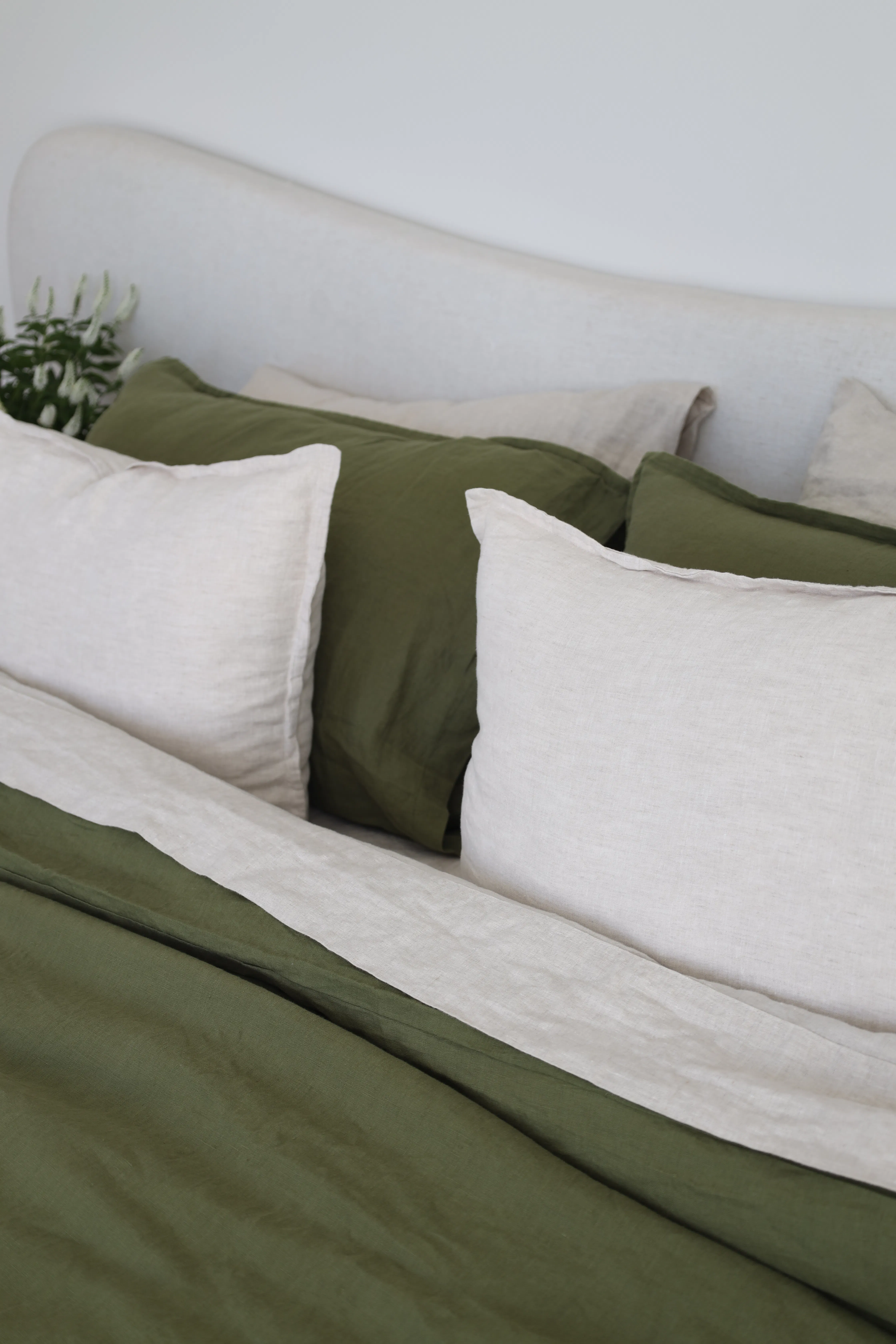
The Foundation Start with Crisp Natural Sheets
The most convincing hotel bed always starts underneath the duvet. If the base layer is wrong, nothing piled on top will fix it. Crisp sheets create that immediate sense of freshness and order that makes a bed feel luxurious the second you slip in.
Natural fibres matter here because they sit directly against the body. Cotton and linen breathe well, feel cleaner for longer, and develop character with use rather than breaking down into that slick, tired finish cheaper synthetic blends often get. For autumn, we recommend a sheet set that feels fresh at first touch but settles quickly once you’re in bed.
What works on the base layer
A strong foundation usually comes down to three decisions.
- Choose fibres that breathe: Cotton gives a smooth, classic hotel feel. Linen feels more relaxed and softly textured.
- Keep the palette restrained: White, natural, oat, soft stone, and gentle beige all reflect light well and make the bed look cleaner.
- Prioritise finish over fuss: Sheets don’t need embellishment. They need a beautiful hand-feel and a neat fit on the mattress.
Hotels often favour white bedding because it signals cleanliness and clarity. At home, that same principle works, but a warmer neutral can be kinder in autumn. It softens the room without losing the polished look.
What tends to disappoint
The quickest way to lose the hotel mood is to start with sheets that are too decorative or too dense. Busy patterns at the base layer interrupt the calm. Overly slick fabric can feel cold in an unpleasant way, while heavy synthetic sheets tend to hold warmth without much breathability.
Practical rule: If your fitted sheet feels like an afterthought, the whole bed will read that way.
There’s also a maintenance trade-off: Crisp sheets need care. They look best when washed well, dried properly, and put back on the bed without sitting crushed in a basket for days. The reward is immediate. That cool, clean first slide into bed is one of the simplest luxuries you can create at home.
The Centrepiece: Embrace the Warmth of Pure Linen Duvets
Walk into a well-dressed bedroom on a cold April evening and the duvet cover sets the tone before you touch the bed. It holds the visual weight of the room, but in autumn it also has to handle a practical job. New Zealand nights can turn quickly, and bedding that looks cosy but traps heat tends to disappoint by 2am.
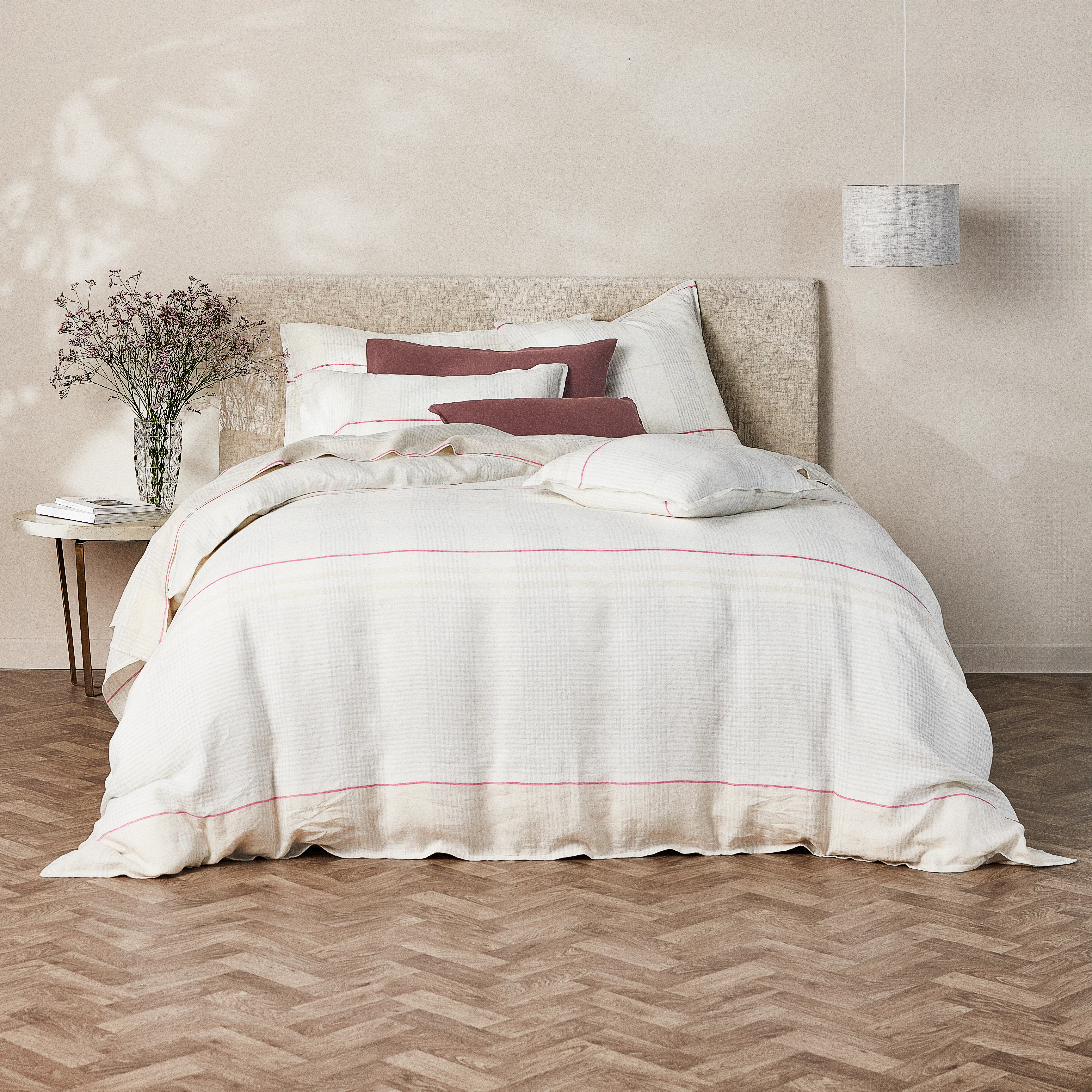
Pure linen works well here because it solves both sides of the problem. It gives the bed a relaxed, hotel-style surface, and it helps regulate warmth without the close, stuffy feel that often comes with synthetic-heavy bedding. That balance matters more in autumn than you might expect.
Why linen suits New Zealand autumns
Autumn bedrooms rarely stay at one steady temperature through the night. The room may feel crisp at bedtime, milder after midnight, then cool again by dawn. A duvet cover made from natural fibre helps the bed adjust more gracefully to those changes.
That is the difference between seasonal styling and genuine comfort. Decorative autumn bedding can make a room look warmer. Linen changes how the bed performs.
Its texture also helps visually. Linen has a matte, gently rumpled finish that catches light softly, so the bed feels fuller and more inviting without relying on dark colours, velvet, or bulky layers. For homes that do not have perfectly even heating, that combination of breathability and visual warmth is hard to beat.
What gives linen its hotel-quality feel
Good hotel beds rarely depend on shine. They depend on contrast, weight, and touch. Linen brings a quiet texture that makes the bed feel settled and generous, especially in softer autumn shades such as oat, natural, clay, rust, or muted olive.
A few details are worth checking before you buy:
- Fibre content: Pure linen keeps the feel dry and breathable.
- Finish: Garment-washed linen feels softer from the start and drapes better on the bed.
- Construction: Internal ties and a zip or button closure keep the insert from shifting and bunching. All our duvet covers come with both - making changes refreshingly easy, while keeping everything neatly in place through the night.
Those practical details are not glamorous, but they make the difference between a bed that looks composed in the morning and one that needs constant straightening.
What works and what tends to fall short
The most common mistake is choosing a duvet cover by colour alone. Autumn tones help, but fabric matters more. If the fabric feels coated, overly slick, or oddly dense in the hand, it usually feels the same once the room warms up.
A simple linen duvet cover from George Street Linen is a sensible example of the type to look for, particularly in garment-washed finishes and restrained colours that layer well through the season.
Linen also earns its place beyond autumn. It does not need to be packed away when temperatures rise, and it layers cleanly once winter calls for extra weight. For anyone trying to create a hotel-like bed rather than a short-lived seasonal display, that lasting versatility is part of the value.
Linen also earns its place beyond autumn. It does not need to be packed away when temperatures rise, and it layers cleanly once winter calls for extra weight. For anyone trying to create a hotel-like bed rather than a short-lived seasonal display, that lasting versatility is part of the value.
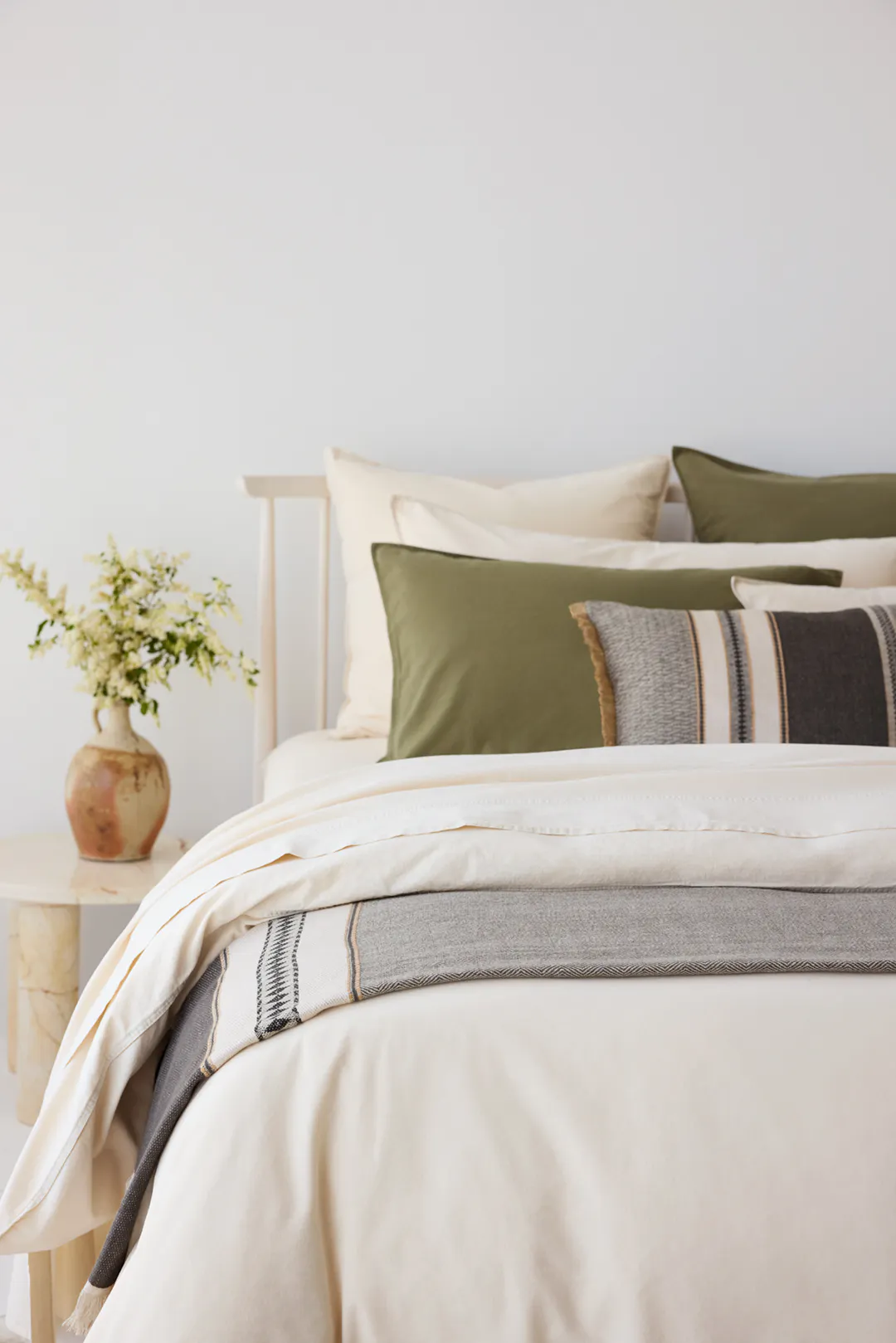
A well-placed throw changes the whole bed. It gives the eye somewhere to land, introduces contrast, and makes the room feel considered rather than merely made. In hotel styling, that final folded layer at the foot of the bed often does more visual work than an extra stack of cushions.
The useful part is that throws aren’t only decorative. They let you adapt the bed for the in-between nature of autumn. You can pull one up on colder nights, leave it folded when the weather is milder, or swap it seasonally without replacing your core bedding.
How to choose the right extra layer
Contrast is what makes this layer work. If your duvet is soft and matte, add something with a different handle.
- For texture: Try a brushed cotton blanket, a quilted coverlet, or a chunky knit throw.
- For visual weight: Choose a piece substantial enough to hold a fold at the foot of the bed.
- For colour: Deep olive, tobacco, cinnamon, charcoal, and soft caramel all bring autumn in without becoming novelty shades.
The most common mistake is choosing a throw that’s too small, too slippery, or too thin. It ends up looking apologetic. A hotel-style layer needs enough presence to ground the bed.
A short styling demonstration helps if you want to see how folded bedding layers can change the feel of a room.
A strong budget move
If you don’t want to buy a full new set of bedding for autumn, start here. A throw or blanket is one of the easiest ways to refresh the room while keeping your existing sheets and duvet cover in place.
That matters for renters, guest-room styling, and anyone trying to make current bedding feel more seasonal rather than replacing it outright. A new accent layer can shift the entire mood of the room, especially if your base bedding is neutral.
A bed starts looking expensive when the textures are clearly different from one another, not when everything matches perfectly.
Try folding the throw in thirds and placing it across the foot of the bed, or drape it more loosely for a softer look. Tidy fold for polish. Relaxed drape for ease. Both can work. The key is to choose one and commit to it.
The Finishing Touch Layering Pillows and Cushions
The part of a hotel bed that makes people want to dive straight in is usually the pillow arrangement. It gives the bed height, softness, and that plush, fully dressed look that makes the whole room feel more generous.
The trick is restraint with structure. Too few pillows and the bed looks flat. Too many and it turns into a display that has to be dismantled every night. The sweet spot is a layered arrangement that feels abundant but still usable.
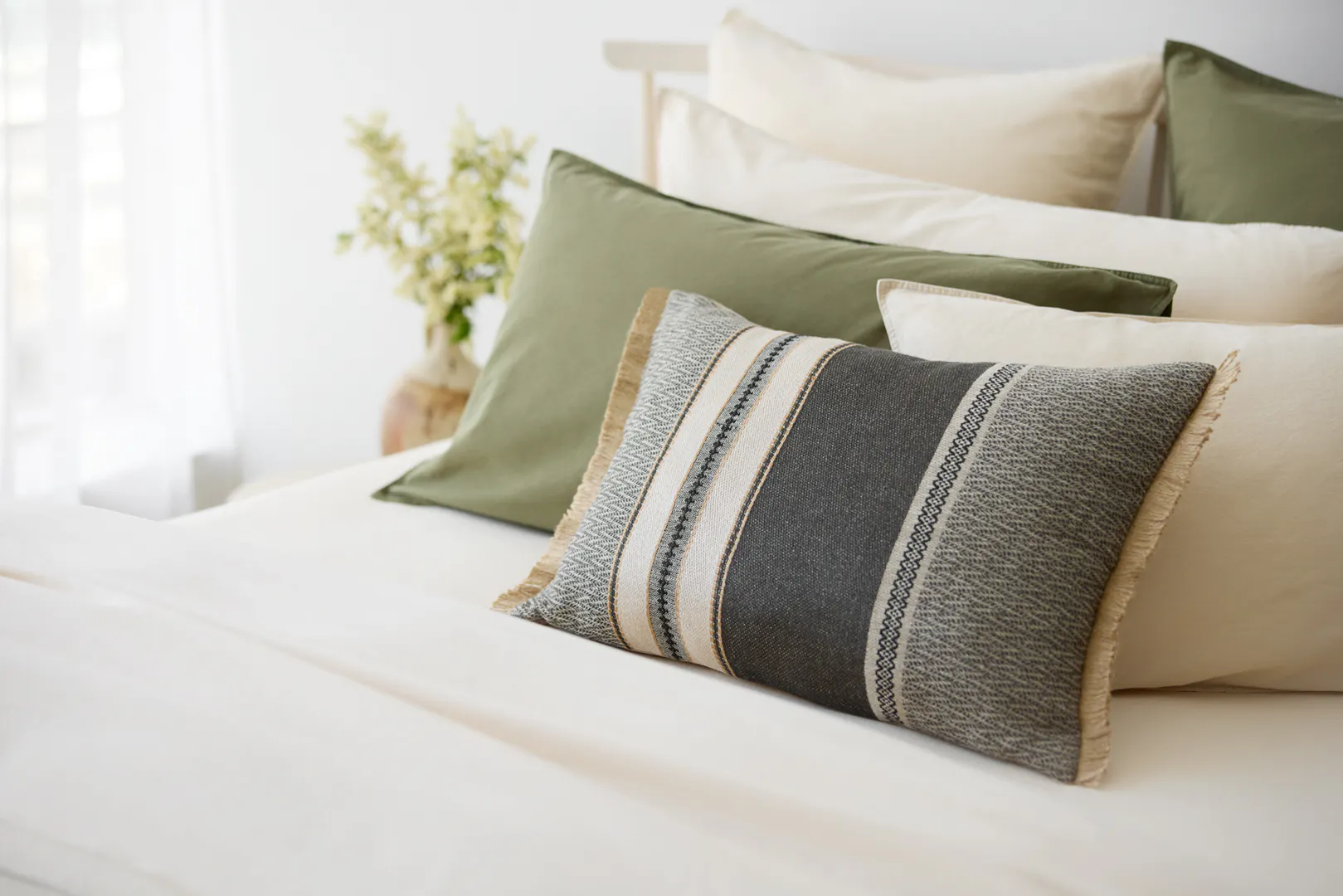
A practical pillow formula
Start from the back and build forward.
- European pillows first
These larger square pillows create a soft backdrop and help the bed look taller and fuller. - Standard sleeping pillows next
Use the pillows you sleep on. They should look substantial and sit upright rather than collapsing sideways. - One or two accent cushions last
Texture or seasonal colour can come in through accent cushions.
That combination creates shape without fuss. If the bed is smaller, reduce the number of accent pieces first, not the sleeping pillows.
What makes the arrangement feel expensive
The best pillow styling uses variation, not chaos. Keep the colours related to the bedding rather than introducing an entirely new story. If the duvet is linen in a warm neutral, choose cushions in boucle, velvet, or washed cotton in adjacent tones.
A few pairings work particularly well:
- Linen with velvet: Soft sheen against dry texture.
- Cotton percale with quilted Euro cases: Crispness balanced by softness.
- Neutral bedding with one earthy accent cushion: Enough contrast to add mood without clutter.
What doesn’t work is overfilling the bed with novelty shapes or tiny cushions that interrupt the clean lines. Hotel styling relies on scale. Larger forms look calmer and more intentional.
If you have to move eight decorative cushions before getting into bed, the styling has stopped serving the room.
For autumn, pillow layering is best when it feels inviting in daylight and comfortable at night. That means no stiff propped-up arrangements that only work for a photograph. A bed should still read as a place to rest.
Your Hotel-at-Home Checklist: An Investment in Rest
You notice the difference at the end of a cold April day in New Zealand. The room is a little cooler than it was in March, the air is drier, and a bed that worked in late summer can suddenly feel flat, stuffy, or oddly chilly by midnight. Hotel comfort comes from getting the layers right for that shift, not from piling on extra weight.
The strongest investment is usually in fibre choice. Natural materials such as linen and cotton breathe, absorb moisture, and settle into a softer handle over time. In practical terms, that means a bed that feels fresh when you first get in and more balanced through the night, especially during autumn when temperatures can swing from cool evenings to milder early mornings.
A well-made autumn bed also earns its place beyond one season. Decorative updates date quickly. Good sheets, a breathable duvet cover, and useful extra layers keep working long after the seasonal styling has been packed away.