Percale vs Sateen vs Jersey Sheets
Cotton sheets sound simple enough, until you start shopping.
Suddenly, you’re choosing between percale, sateen and jersey, all made from cotton but promising very different sleep experiences. One feels crisp and cool, another smooth and silky, while the third has the familiar comfort of your favourite T-shirt.
The key is understanding that cotton describes the fibre, while percale, sateen and jersey describe how that fibre is constructed. The same high-quality cotton can therefore feel completely different depending on how it has been woven or, in the case of jersey, knitted.
There isn’t one universally “best” cotton sheet. There is, however, a best choice for how you like to sleep.
If you sleep hot and dream of crisp hotel sheets, percale may be your answer. If you prefer smooth, softly draped bedding, sateen could win you over. And if comfort means climbing into something as soft and relaxed as your favourite T-shirt, a jersey is hard to beat.
Here’s how they compare.
Percale vs Sateen vs Jersey at a Glance
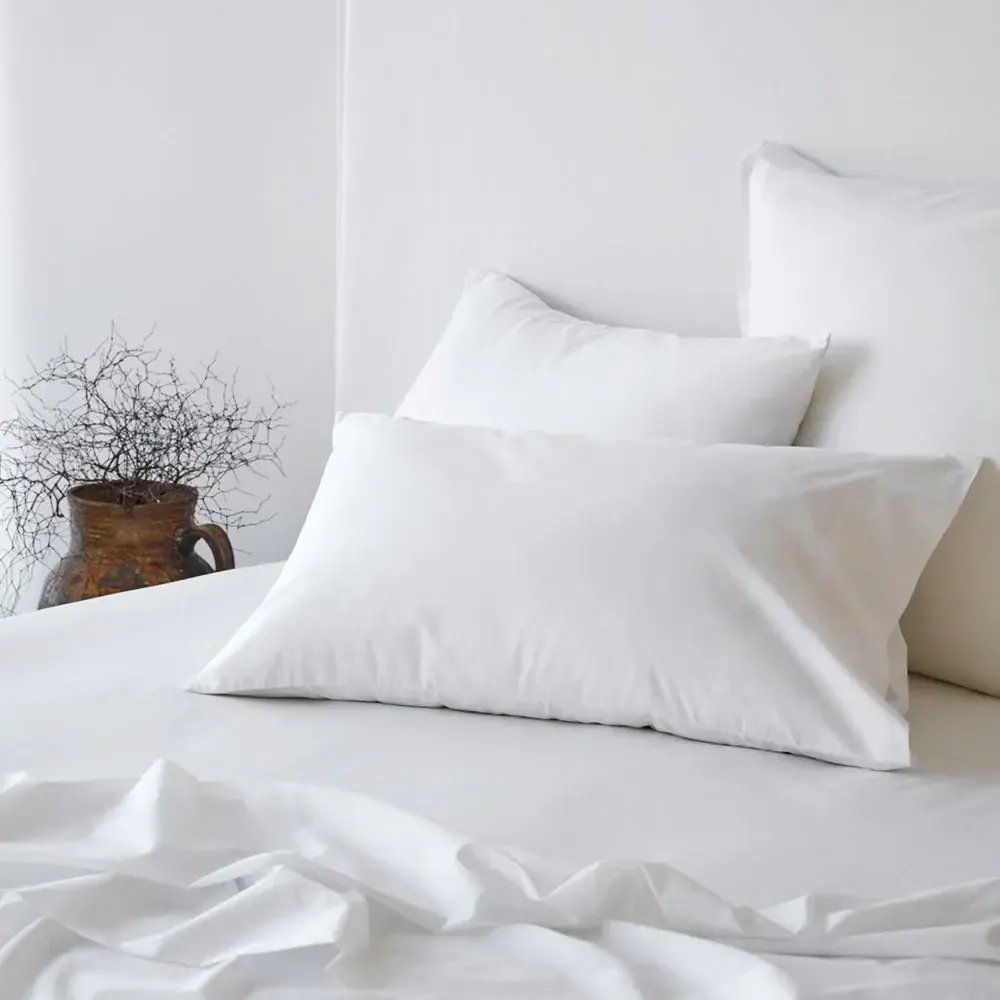
Percale has a crisp, fresh feel with a matte finish. It offers excellent breathability and tends to feel cooler, making it a great choice for hot sleepers, summer use, and anyone who prefers a clean, hotel-style bed. Percale is a woven fabric with a crisp and tailored appearance, although wrinkles can be more noticeable.
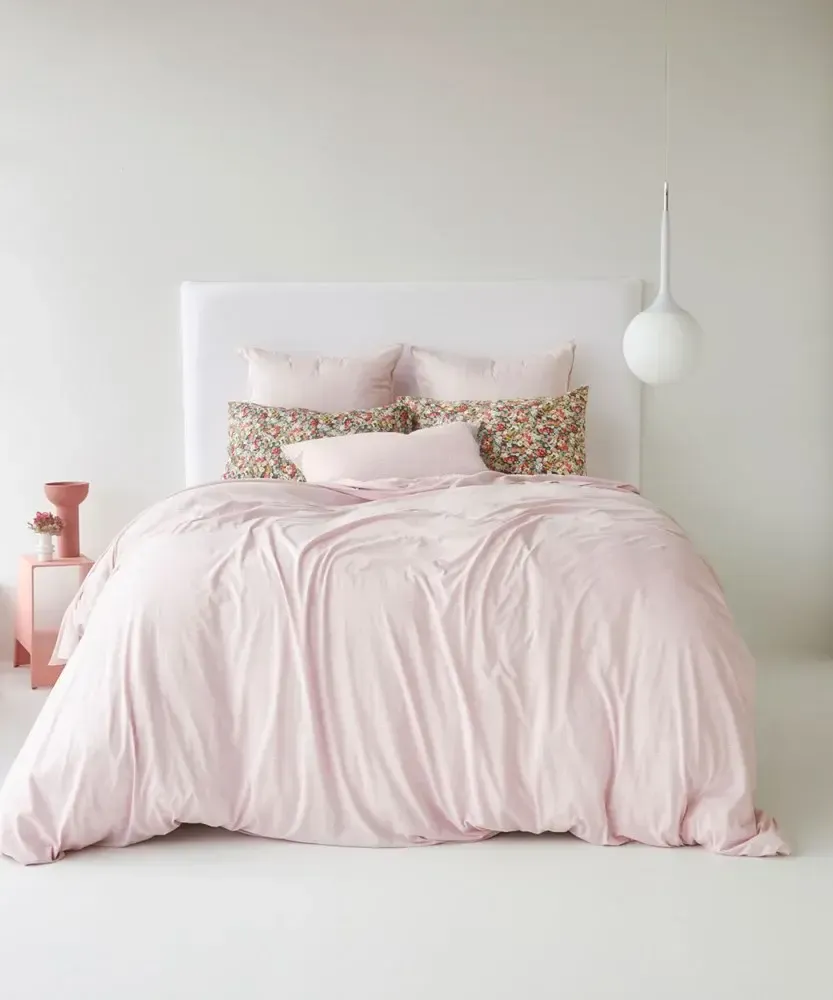
Sateen feels smooth and silky, with a subtle lustre that gives bedding a more elegant and draped appearance. It offers good breathability but tends to feel slightly warmer than percale. As a woven fabric, sateen is ideal for people who enjoy smooth sheets or tend to sleep cooler. Wrinkles are generally less noticeable compared with percale.
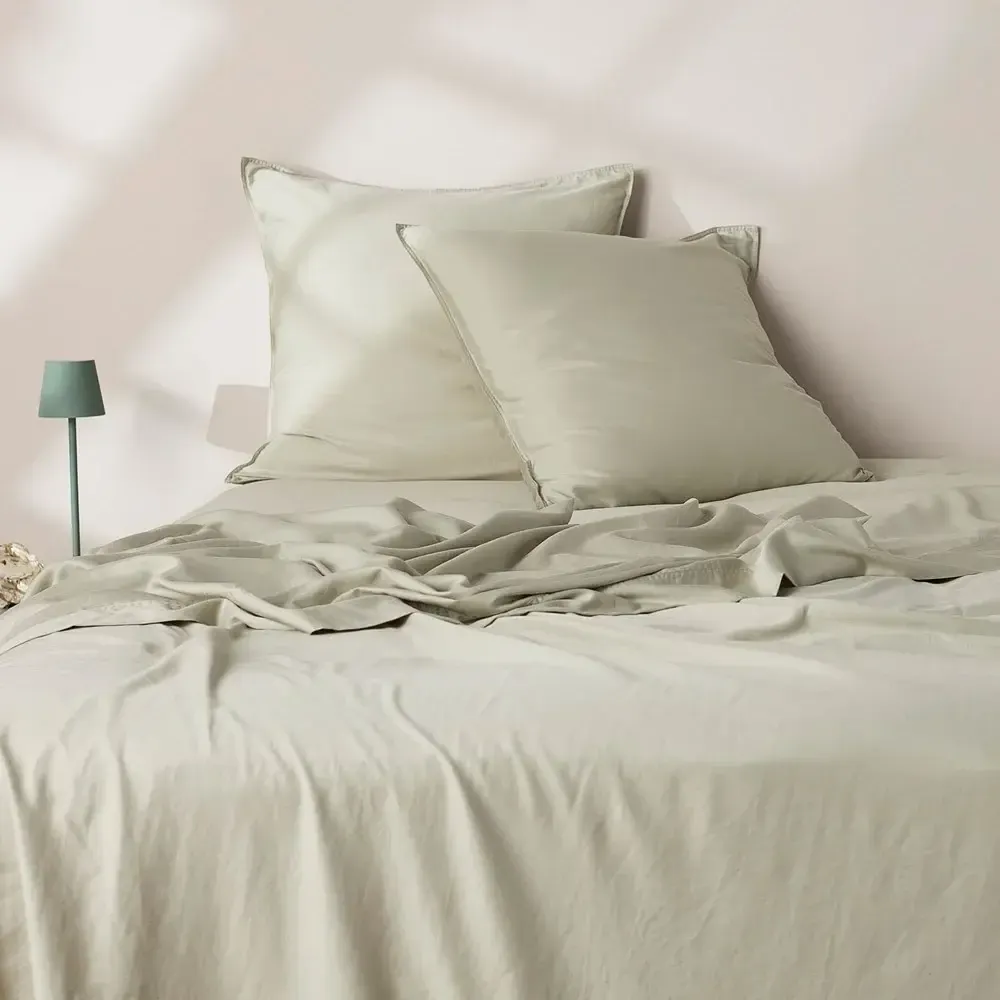
Jersey has a soft, stretchy feel and a relaxed, casual finish. It is knitted rather than woven, which gives it a comfortable and flexible texture. Jersey is very breathable while still feeling cosy, making it suitable for year-round use. It also wrinkles very little and creates a casual, inviting look in the bedroom.
Still undecided? Let’s look at what makes each type different.
What Are Percale Sheets?
Percale is one of the most recognisable cotton weaves.
It uses a simple one-yarn-over, one-yarn-under structure, creating a balanced fabric with a clean, matte surface. The result is the crisp, fresh feeling many people associate with luxury hotel bedding.
Unlike sheets designed to feel silky or slippery, percale feels clean and structured against the skin.
George Street Linen’s Fresh Cotton Percale collection is lightweight, breathable and designed to become even better with washing.
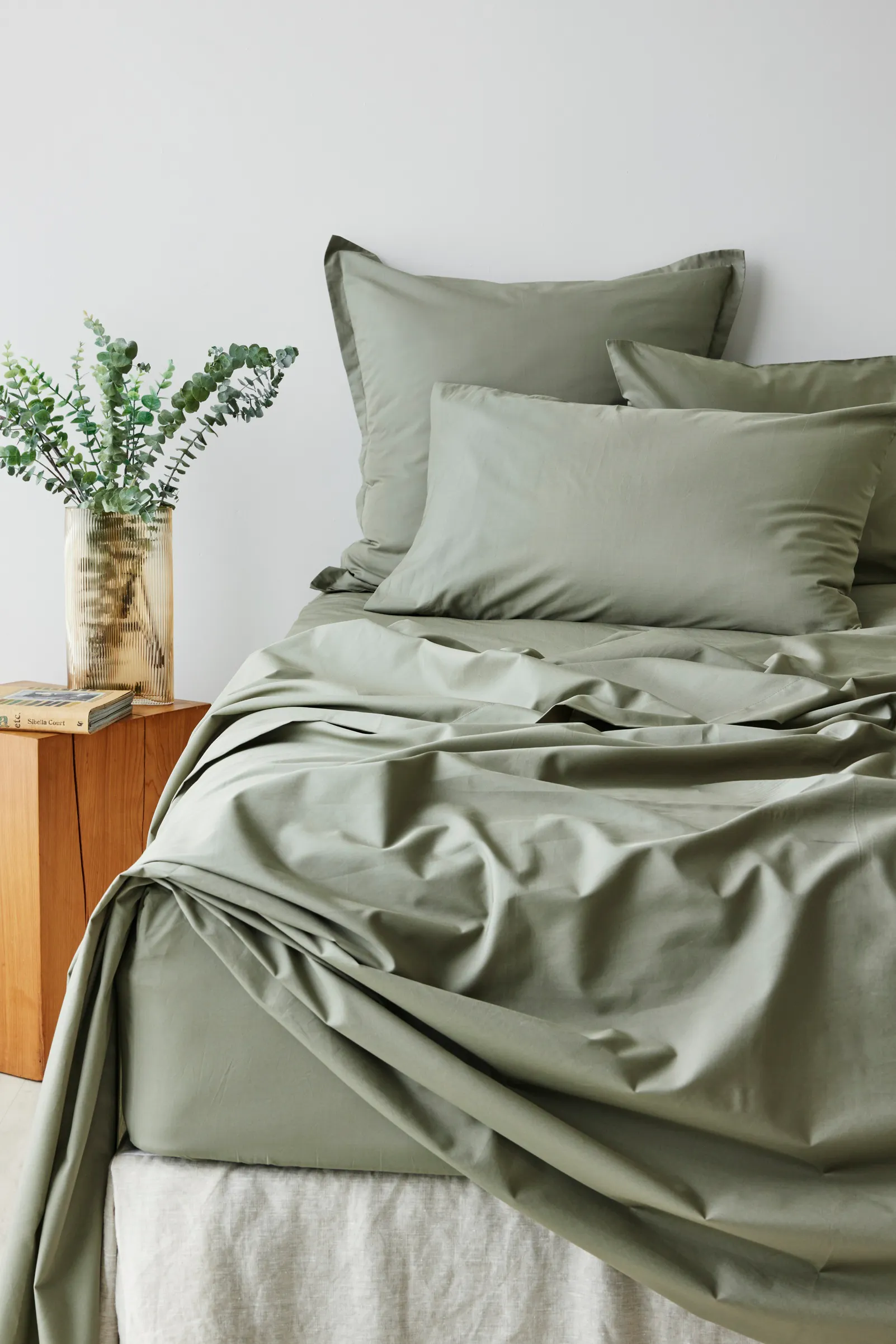
What does percale feel like?
- Cool
- Crisp
- Lightweight
- Smooth without being silky
- Matte rather than shiny
If your favourite part of staying in a beautiful hotel is climbing underneath freshly made, crisp sheets, percale is probably the closest match.
Is percale good for hot sleepers?
Percale is one of the strongest options for people who tend to sleep warm.
That makes percale particularly appealing during warm New Zealand nights or for anyone who tends to throw the duvet off halfway through the night.
We explore this further in our guide to cool, breathable bedding for summer, where percale is one of our favourite choices for warm sleepers.
Does percale soften over time?
Yes. One of the pleasures of good cotton percale is that it doesn't need to lose its characteristic freshness to become comfortable. Quality percale gradually relaxes and softens with washing while retaining that lightweight, crisp character.
Who should choose percale?
Percale is a particularly good match if you:
- Sleep hot
- Live in a warmer climate
- Prefer crisp rather than silky sheets
- Love a classic hotel-bed feeling
- Prefer a matte, understated finish
- Want lightweight bedding for summer
Love fresh, crisp bedding?
Explore our Fresh Cotton Percale sheets and pillowcases and bring that just-made hotel-bed feeling home.
What Are Sateen Sheets?
Like percale, sateen is woven from cotton but a different weave creates a distinctly different feel.
Instead of the evenly balanced structure used for percale, a sateen weave allows more yarn to pass across the fabric's surface. This creates a smoother face, greater drape and a subtle lustre.
The result feels softer and silkier against your skin.
And despite the similar names, sateen and satin are not the same thing.
Sateen describes a weave commonly made using cotton. Satin can be made using a variety of fibres and is often associated with synthetic materials. So when you choose cotton sateen, you can still enjoy the qualities of natural cotton while getting a smoother finish.
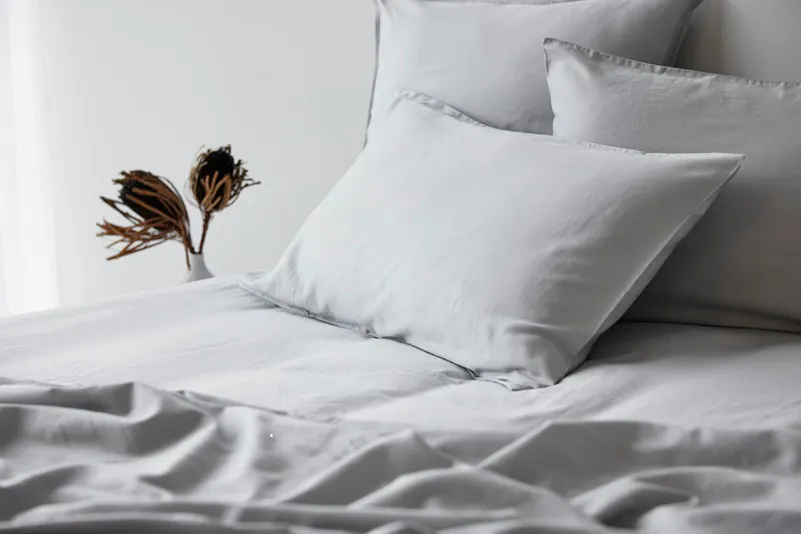
What does sateen feel like?
- Smooth
- Soft
- Drapey
- Silky without necessarily being slippery
- Slightly lustrous
Compared with percale's fresh snap, sateen feels more fluid and enveloping.
At George Street Linen, our Soft Washed Cotton collection uses long-staple cotton in a 450-thread-count sateen weave. The cotton is marketed for smoothness and lustre, then washed to create a softer, relaxed drape.
Is sateen warmer than percale?
Generally, yes.
Because sateen has more yarn sitting across the surface of the fabric, it usually feels a little denser and less airy than percale.
That doesn't mean cotton sateen is necessarily “hot”. It simply means that if staying as cool as possible is your main priority, percale is likely to have the edge.
If you often feel cold in bed, however, sateen's smoother and slightly more enveloping feel may be exactly what you're looking for.
Does sateen wrinkle?
Sateen generally has a softer drape than percale, so wrinkles tend to look less pronounced.
This makes it appealing if you want bedding that looks smooth and inviting without necessarily chasing the perfectly pressed hotel aesthetic.
Who should choose sateen?
Choose sateen if you:
- Love exceptionally smooth sheets
- Prefer softness over crispness
- Like bedding with a subtle lustre
- Want a more elegant, draped look
- Tend to sleep neutral or slightly cool
- Want cotton bedding that feels luxurious from the beginning
What Are Jersey Sheets?
Here's where things get interesting.
Technically, jersey isn't a weave at all.
Cotton Jersey is knitted rather than woven.
That knitted construction gives the fabric natural stretch and creates the instantly familiar softness of a well-loved cotton T-shirt.
If percale feels like a freshly pressed shirt and sateen feels like smooth luxury bedding, jersey feels like slipping into your favourite tee.
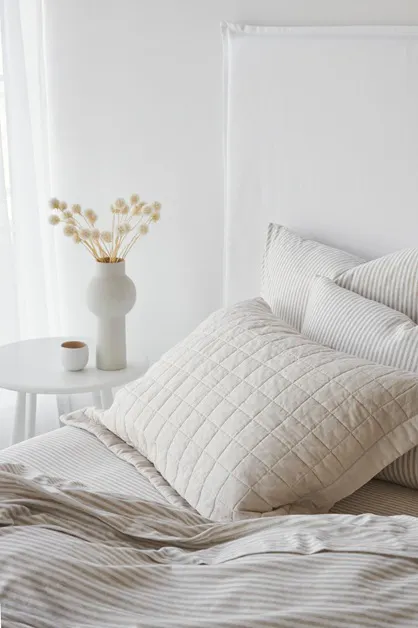
What does cotton jersey feel like?
- Soft
- Stretchy
- Cosy
- Relaxed
- Lightweight
- Familiar
There's very little breaking-in required. Jersey is designed for comfort from the start.
George Street Linen's Cotton Jersey collection uses 100% cotton, with the knitted construction creating a soft and flexible feel that works comfortably across the seasons.
Are jersey sheets hot?
Jersey often feels cosier than crisp percale because its knitted structure sits differently against your body.But when made from quality cotton, it still feels lightweight and breathable.
That combination makes it especially versatile. It can feel comforting during cooler months without becoming as heavy as traditional winter bedding, while remaining light enough for many people to enjoy year-round. George Street Linen describes its Cotton Jersey as balancing traditional cotton sheets with the warmth of flannelette while remaining lightweight and breathable.
Do jersey sheets wrinkle?
One of the jersey's advantages is its relaxed appearance.
Because the fabric stretches naturally and isn't intended to look crisp or highly structured, wrinkles are much less of a concern.
Take it out of the wash, put it back on the bed and embrace the relaxed look.
Who should choose a jersey?
Jersey could be your perfect match if you:
- Want maximum softness
- Don't enjoy crisp sheets
- Love the feel of a soft cotton T-shirt
- Prefer a casual, relaxed bedroom
- Want comfortable bedding throughout the year
- Don't want to worry about ironing or wrinkles
Ready for seriously relaxed comfort?
Explore our Cotton Jersey bedding collection, including fitted sheets, flat sheets, pillowcases and duvet covers.
Percale vs Sateen: What's the Main Difference?
This is probably the most common comparison.
Both can be made from exactly the same fibre (cotton) but their different weave structures dramatically change the feel.
Percale is crisper, cooler and more matte.
Sateen is smoother, softer and more lustrous.
If you stand in a beautifully made hotel room and immediately want to jump into the fresh, crisp sheets, choose percale.
If you run your hand across bedding and want it to feel smooth, soft and gently draped, choose sateen.
For warm sleepers, we'd generally lean towards percale.
For sleepers prioritising smoothness, sateen may be more appealing.
Percale vs Jersey: Which Is Better?
Choosing between these two is really about what the word comfortable means to you.
Percale offers a fresh, lightweight structure.
Jersey offers stretchy, T-shirt-like softness.
They sit almost at opposite ends of the cotton bedding spectrum.
Choose percale if you want your bed to feel cool, crisp and freshly made.
Choose jersey if you want your bed to feel soft, relaxed and immediately cosy.
Sateen vs Jersey: Which Is Softer?
Both are soft, but they're different kinds of soft.
Sateen feels smooth.
Jersey feels stretchy and relaxed.
If you want something with the elegant softness traditionally associated with luxury sheets, sateen probably wins.
If you want familiar, unfussy comfort that feels like something you've loved for years, choose a jersey.
What About Thread Count?
Thread count gets a lot of attention when people shop for sheets, but it shouldn't be the only number you look at.
A higher thread count doesn't automatically mean a better night's sleep.
The quality of the fibre, construction of the fabric and finish all influence how bedding feels and performs.
That's why comparing a percale and sateen sheet based only on thread count doesn't tell the whole story. Their constructions are deliberately different, and those differences affect breathability, smoothness and drape.
Start by deciding how you want your sheets to feel, then look at fibre quality and construction.
George Street Linen uses long-staple cotton across its cotton bedding ranges, which produces finer and stronger yarn than shorter-staple cotton. You can learn more about how cotton compares with another favourite natural fibre in our linen vs cotton bedding guide.
Which Sheets Are Best for Hot Sleepers?
Of these three options, we'd generally recommend:
1. Percale
The obvious starting point. Crisp, lightweight and breathable.
2. Sateen
Best for sleepers who value smoothness over maximum airflow.
3. Jersey
Still breathable, but with a softer and slightly cosier feel.
If keeping cool is your number-one priority, you may also want to consider other natural fibres such as linen. Our summer bedding guide compares several breathable options for warmer New Zealand nights.
Which Sheets Are Best for Winter?
If you want something that feels immediately comforting when temperatures drop, cotton jersey is an excellent choice.
Its knitted texture offers that soft, cosy sensation without the heaviness of dedicated winter fabrics such as flannelette.
Sateen is another good option if you want something smooth and slightly more enveloping.
Percale can absolutely be used year-round, but sleepers who already feel cold at night may prefer jersey or sateen during winter.
Which Cotton Sheet Is Best Overall?
There isn't one winner and that's the point.
The best cotton bedding depends on the kind of bed you want to climb into every night.
Choose percale if:
You want crisp, cool, breathable sheets with a beautiful matte finish.
Choose sateen if:
You want smooth, soft sheets with an elegant drape and subtle lustre.
Choose jersey if:
You want relaxed, stretchy, T-shirt-like comfort with minimal fuss.
Your bed is personal. Your sheets should be too.
And if you're still not sure which fabric belongs to yours, explore our complete bed sheets collection to compare cotton, percale, linen and other natural bedding options.
Find Your Perfect Cotton Sheets
Crisp or soft. Tailored or relaxed. Cool or cosy.
Sometimes choosing better bedding isn't about looking for the highest thread count or the most complicated fabric description. It's simply about recognising how you like your bed to feel.
For a fresh hotel-inspired bed, start with Fresh Cotton Percale.
For smooth, softly draped luxury, try Soft Washed Cotton Sateen.
For effortless T-shirt softness, settle into Cotton Jersey.
Ready to make your bed your favourite place?
Shop all George Street Linen bed sheets and find the fabric that feels right for you
Frequently Asked Questions
Is percale or sateen better for hot sleepers?
Percale is generally the better choice for hot sleepers because its balanced weave creates a crisp, lightweight and breathable fabric. Sateen has a smoother, denser surface and can feel slightly warmer.
Is jersey hotter than percale?
Jersey usually feels cosier against the body than percale, while percale has the fresher and crisper feel of the two. However, good-quality cotton jerseys are still breathable and can be comfortable throughout much of the year.
What is the difference between percale and sateen?
The main difference is the weave. Percale uses a balanced one-over, one-under construction that produces a matte, crisp fabric. Sateen exposes more yarn across the surface, creating a smoother fabric with greater drape and a subtle lustre.
Is jersey a type of cotton weave?
Not technically. Jersey is knitted, whereas percale and sateen are woven. The knitted construction is what gives jersey sheets their characteristic stretch and soft, T-shirt-like feel.
Do hotels use percale or sateen sheets?
Both can be found in hotels, but crisp cotton percale is particularly associated with the classic fresh, cool hotel-bed feeling. Sateen is often chosen when a smoother and more lustrous finish is preferred.
Does percale get softer after washing?
Yes. Quality cotton percale naturally relaxes and becomes softer with repeated washing while retaining its crisp, breathable character.
Which is softer: jersey or sateen?
Both are soft in different ways. Sateen has a smoother, silkier surface, while jersey has a softer, stretchier, T-shirt-like texture. If you like luxurious smoothness, choose sateen. If you prefer relaxed cosiness, choose a jersey.
Is sateen the same as satin?
No. Sateen refers to a particular fabric construction commonly used with cotton. Satin refers to a related construction that may be made from silk, polyester or other fibres. Cotton sateen therefore retains the qualities of cotton while offering a smoother surface.
Which sheets are easiest to care for?
All three can be practical choices when cared for according to their specific instructions. Jersey is particularly forgiving because its naturally relaxed appearance means there is little reason to iron it. Sateen also tends to show fewer crisp wrinkles than percale, while percale suits people who enjoy a freshly pressed look.
Can I use percale sheets in winter?
Absolutely. Percale isn't exclusively a summer fabric. It can be used throughout the year, particularly if you naturally sleep warm. During winter, simply layer your bed with an appropriate duvet, blanket or coverlet to adjust the overall warmth.